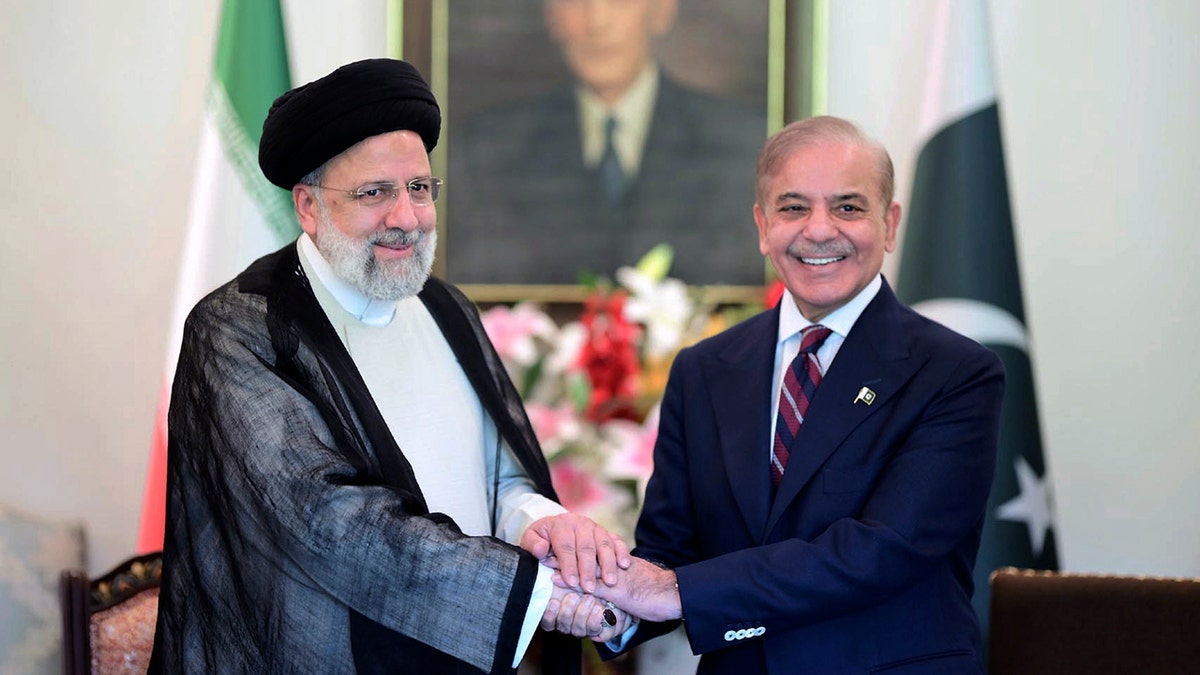
Iran's Foreign Minister Arrives in Islamabad — Second Round of US-Iran Talks on the Horizon
A Night That Could Change Everything
On the night of April 24, 2026, Iran's Foreign Minister Abbas Araghchi landed in Islamabad with a small delegation for high-level consultations with Pakistan's leadership. The visit came after a series of phone calls earlier in the day between Araghchi and Pakistan's Foreign Minister Ishaq Dar, as well as Army Chief Field Marshal Asim Munir. Pakistani officials confirmed the development and said there is now a "high likelihood of a breakthrough" between the United States and Iran.
Why This Visit Matters So Much
For nearly two weeks, the prospect of a second round of US-Iran peace talks in Islamabad had been stuck in deadlock. Iran had refused to return to the negotiating table as long as the US maintained its naval blockade of Iranian ports. The US refused to lift the blockade. Both sides were stuck. The world was watching and waiting.
Then Pakistan stepped in — again. Field Marshal Asim Munir held a detailed phone call with Araghchi. Ishaq Dar spoke to him separately. The result was Araghchi boarding a flight to Islamabad, the city that Iran has said it trusts more than anywhere else in the world for these talks.
What Iran Says About This Visit
Iran's state news agency IRNA described the visit as bilateral in nature — meaning Araghchi came to Islamabad first to speak with Pakistani officials, not directly with the Americans. After Islamabad, he is scheduled to visit Muscat in Oman and then Moscow in Russia as part of a regional diplomatic tour. Araghchi himself said the purpose of this visit was to closely coordinate with Pakistan on regional developments and the current state of the war.
This careful framing by Iran is deliberate. Tehran does not want to appear as though it came running to the table. But the message behind the visit is clear — Iran is willing to talk, and Pakistan is the only country it trusts to make it happen.
The US Is Already Waiting
A US logistics and security team had already been in Islamabad for days, preparing for a high-level visit. American military cargo planes landed at one of Islamabad's airports carrying equipment and personnel. Two hotels in the city's Red Zone had been asked by Pakistani authorities to remain closed and ready for delegations. Trump's special envoys Steve Witkoff and Jared Kushner were confirmed to be heading to Islamabad this weekend. Vice President JD Vance remains on standby and is expected to join if the talks actually begin.
Pakistan's Role — Once Again at the Center
It is Pakistan that made this moment possible. PM Shehbaz Sharif, Field Marshal Asim Munir, and Foreign Minister Ishaq Dar have been working around the clock — making calls, visiting capitals, carrying messages — to bring both sides back to the table. Interior Minister Mohsin Naqvi confirmed that PM Shehbaz and Army Chief Munir are making full efforts at every level to resolve the Iran war.
Araghchi himself acknowledged Pakistan's role when speaking with Ishaq Dar, thanking Islamabad for its constructive mediation and its commitment to keeping dialogue alive even when both sides seemed ready to walk away.
What Happens Next
Araghchi's arrival in Islamabad does not automatically mean the second round of talks will begin tonight or even tomorrow. The key unresolved issues remain the same — Iran's nuclear programme, the US naval blockade of Iranian ports, sanctions relief, and frozen assets. These are not small problems. But the fact that Iran's foreign minister is physically in Islamabad, in the same city as the US team, is the closest the two sides have been to resuming talks since the first round ended without a deal on April 12.
Pakistani officials are cautiously hopeful. One senior official told Al Jazeera that even if this round does not produce a final deal, the trust between Pakistan and both parties remains intact. And as long as that trust holds, the talks can continue.
The World Is Watching Islamabad
Months ago, nobody expected Pakistan to be at the centre of one of the most important diplomatic efforts in the world. But here it is — Islamabad, a city that both America and Iran trust, hosting the conversations that could end a war and stabilise global energy markets. Tonight, as Araghchi lands in the Pakistani capital, the whole world is holding its breath.