
The Revival of Pakistan's Entertainment Industry — From Lollywood to Streaming, a Story of Reinvention
LAHORE — Pakistan's entertainment industry is experiencing a transformation that few could have predicted a decade ago. From the shuttered cinemas and depressed film industry of the 2000s and early 2010s, a vibrant ecosystem has emerged that encompasses film, television, digital streaming, music, and a growing community of content creators reaching global audiences. The revival, built on the foundations of improved security, digital disruption, and a new generation of creative talent, represents one of the most exciting stories in Pakistani culture today.
The Box Office Revolution
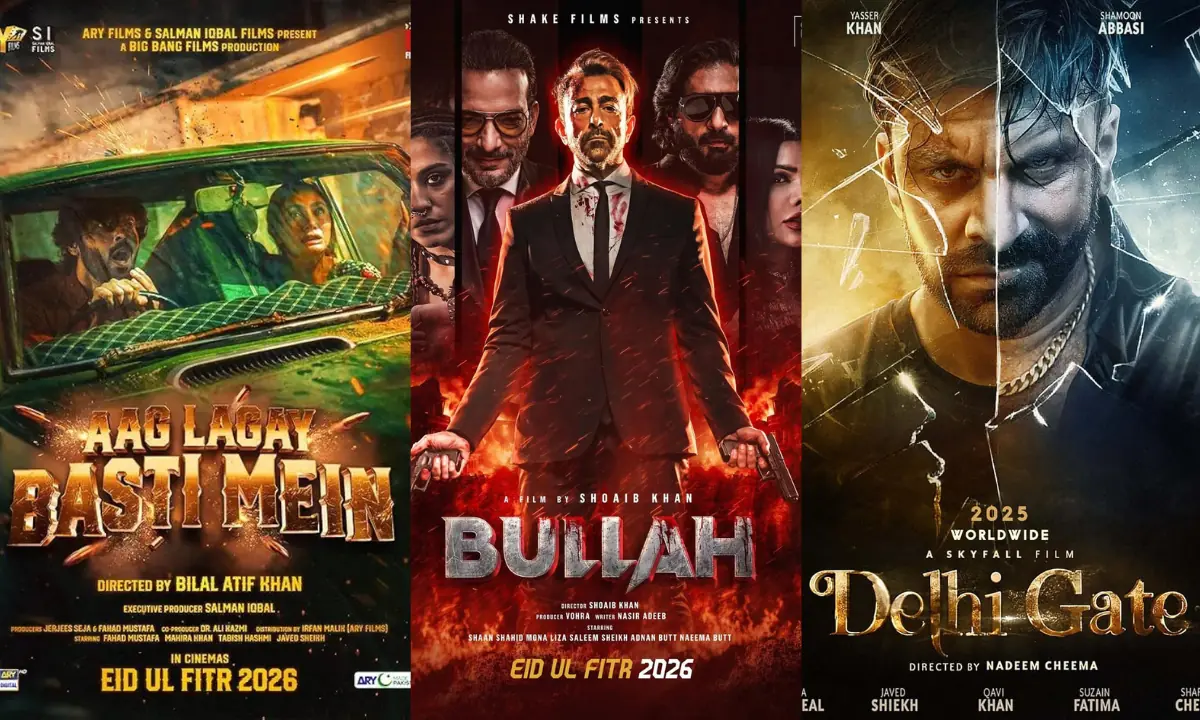
Pakistani cinema, often referred to as Lollywood, has staged a remarkable comeback. Box office revenue for Pakistani films is projected to reach PKR 15 billion in 2025, a 25 percent increase from 2023, with projections of PKR 18 to 20 billion by 2026. This growth is driven by a new generation of filmmakers who have embraced genre diversity — from the record-shattering success of The Legend of Maula Jatt to the urban comedies, thrillers, and social dramas that now populate cinema screens across the country.
The number of cinema screens has grown steadily, from fewer than 100 in 2013 to over 700 in 2026, with multiplexes opening in second and third-tier cities. This expansion has made going to the movies a viable entertainment option for a broader segment of the population. However, challenges remain. Ticket prices, which can exceed Rs1,500 for premium screenings in major cities, remain a barrier for many potential viewers. Actor Javed Sheikh has proposed that the government reduce electricity bills for cinemas by up to 75 percent, which could allow morning shows to be priced as low as Rs100, making cinema accessible to lower-income audiences.
The release of major films has become a cultural event in Pakistan. Films like Money Back Guarantee, Dum Mastam, and the much-anticipated Khan Tumhara generate months of buzz on social media, with trailers, poster reveals, and cast interviews driving audience engagement. The industry has also seen increased investment from both local and international production houses, with total investment in film production surging by 30 percent in 2024 compared to 2022.
Streaming — The Game Changer
Perhaps the most transformative force in Pakistan's entertainment landscape has been the rise of digital streaming platforms. Local services like Vidly and ARY PLUS have established extensive libraries of Pakistani content, including movies, original web series, and classic dramas, making them accessible to audiences worldwide. These platforms have expanded the international viewership of Pakistani content by an estimated 40 percent, connecting diaspora communities with shows and films from home while introducing Pakistani storytelling to new global audiences.
International streaming giants have also taken notice of Pakistani content. Netflix has acquired streaming rights for several Pakistani films and series, while Amazon Prime Video has begun commissioning original Pakistani content. The global success of Pakistani dramas on YouTube, where many channels have millions of subscribers, has demonstrated the international appetite for Pakistani storytelling. Dramas like Humsafar, Zindagi Gulzar Hai, and more recently Kabhi Mein Kabhi Tum have found huge audiences across South Asia, the Middle East, and in diaspora communities worldwide.
The Drama Industry — Pakistan's Cultural Export Powerhouse
Pakistan's television drama industry remains the backbone of the country's entertainment sector, producing dozens of serials each year that command massive domestic audiences and growing international followings. The industry has evolved from the family-centric dramas of the past to a more diverse range of genres, including psychological thrillers, historical epics, and socially conscious narratives that tackle issues like mental health, domestic violence, and class inequality.
The quality of Pakistani dramas has been recognized internationally, with several winning awards at international television festivals. The industry's strength lies in its storytelling traditions, strong writing, and the caliber of its actors, many of whom have become household names across South Asia. Actors like Mahira Khan, Fawad Khan, Sajal Aly, and Bilal Abbas Khan have achieved cross-border fame, appearing in international productions and walking red carpets at global film festivals.
Music — From Coke Studio to the Global Stage
Pakistan's music scene has undergone its own renaissance, driven by the continued success of Coke Studio and the emergence of independent artists who have used digital platforms to bypass traditional gatekeepers. Coke Studio, the flagship music production series, has completed multiple successful seasons and continues to be a cultural phenomenon, blending traditional folk music with contemporary production to create sounds that are uniquely Pakistani yet globally resonant.
Independent artists have flourished in the digital age. Singers and bands like Atif Aslam, Strings, Ali Zafar, and the younger generation of artists including Talha Anjum and Abdullah Siddiqui have built substantial followings on streaming platforms and social media. Pakistani music videos regularly achieve millions of views on YouTube within days of release, and Pakistani artists are increasingly collaborating with international musicians, expanding the reach of Pakistani music beyond traditional boundaries.
The live music scene has also revived, with concerts and music festivals drawing large crowds in major cities. The return of international artists to Pakistan for performances, once unimaginable, has become increasingly common, signaling the country's normalization in the global entertainment landscape.
Digital Creators and the New Entertainment Economy
The rise of social media has created a new category of entertainment in Pakistan — digital content creators who have built substantial audiences on YouTube, TikTok, Instagram, and other platforms. Pakistani YouTubers, comedians, and lifestyle creators have amassed millions of followers, creating a parallel entertainment economy that operates outside traditional media structures.
This new generation of entertainers has challenged established norms, bringing fresh perspectives and formats to Pakistani audiences. Comedy sketches, reaction videos, educational content, and vlogs have found enthusiastic audiences, particularly among younger Pakistanis. The commercial potential of this sector has attracted brand investment, with companies increasingly allocating marketing budgets to influencer partnerships and digital content sponsorship.
Government Support and Infrastructure Development
The government has recognized the economic and cultural potential of the entertainment industry and has announced measures to support its growth. Federal Minister for Information and Broadcasting Attaullah Tarar has reiterated the government's commitment to providing institutional backing, modern infrastructure, and sustained engagement with the private sector to promote the film industry. Discussions around establishing a dedicated Film City, equipped with filmmaking schools, music academies, and production houses, are ongoing, with the aim of developing screen tourism and enhancing film production capacity.
The Pakistan Film Board has been revitalized, with new policies aimed at attracting foreign investment and facilitating co-productions. Tax incentives for film production, simplified clearance processes for shooting permits, and support for film festivals are among the measures being implemented to create a more favorable environment for the entertainment industry.
Challenges and the Road Ahead
Despite the remarkable progress, Pakistan's entertainment industry faces significant challenges. Piracy remains a major problem, with illegal streaming sites and unauthorized downloads cutting into legitimate revenues. The industry also grapples with the brain drain of talent to international markets, where Pakistani actors, directors, and technicians find better opportunities and compensation. The financial sustainability of independent productions remains precarious, with many films failing to recover their production costs at the box office.
The path forward requires continued investment in talent development, infrastructure, and market expansion. Building a truly self-sustaining entertainment ecosystem will depend on creating viable business models that reward creativity while being accessible to audiences. The growth of streaming platforms offers new revenue streams, but the industry must navigate the transition from traditional distribution models to digital ones.
Conclusion
Pakistan's entertainment industry in 2026 is a story of resilience, creativity, and reinvention. From the revival of Lollywood and the global reach of Pakistani dramas to the transformative impact of streaming platforms and the emergence of digital creators, the sector has demonstrated remarkable vitality. The challenges remain significant, but the trajectory is unmistakably positive. As Pakistani content finds new audiences around the world and new generations of creative talent emerge, the entertainment industry is poised to become not only a source of cultural pride but a significant contributor to Pakistan's economy and soft power on the global stage.