54 Pakistanis Released from Detention in Cambodia After Diplomatic Efforts
54 Pakistani Nationals Freed in Cambodia — The Story Behind the Release
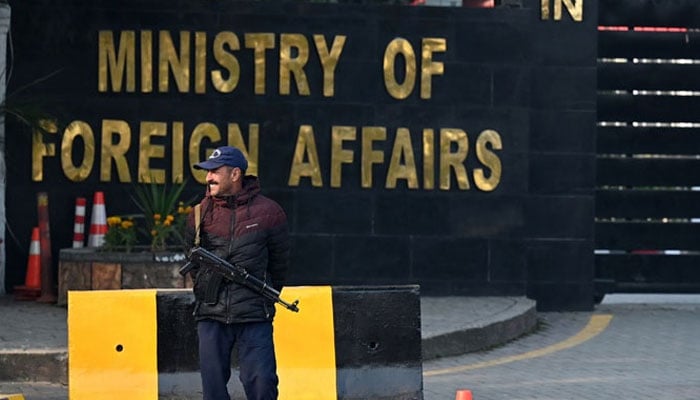
Fifty-four Pakistani nationals have been released by Cambodian authorities following a period of detention that had prompted active diplomatic intervention by the Government of Pakistan. The release, secured through the sustained efforts of Pakistani diplomatic missions working in coordination with Cambodian officials, represents a successful conclusion to a process that involved verification, legal coordination, and the kind of persistent bilateral engagement that protecting citizens abroad genuinely requires.
For the 54 individuals now free and being assisted with arrangements for their return to Pakistan, the resolution of their situation is the end of what was almost certainly a deeply stressful and frightening experience. Being detained in a foreign country — far from family, navigating an unfamiliar legal system in a language most would not speak, uncertain about the outcome and the timeline — is an ordeal that official statements about diplomatic success cannot fully capture. The human reality behind the numbers is what matters most, and those 54 people are now on their way home.
The circumstances that led to their detention in Cambodia have not been fully detailed in official statements, but the situation fits within a broader and increasingly documented pattern of Pakistani nationals — and nationals from many other countries — being deceived into travelling to Southeast Asian countries under false pretences and finding themselves in situations very different from what they were promised. Understanding that pattern is important for understanding both what these individuals may have experienced and what Pakistan needs to do to prevent similar situations from occurring again.
Cambodia and the Scam Centre Problem — What Is Really Going On
Cambodia has been at the centre of one of the most troubling human trafficking and forced labour phenomena of the past several years — the proliferation of what have become known internationally as "scam centres" or "cyber scam compounds." These are large-scale criminal operations, typically located in border regions or special economic zones with limited regulatory oversight, that force workers to conduct online fraud operations targeting victims around the world.
The way these operations typically work involves deception at multiple levels. Individuals are recruited — often through social media advertisements, job placement agencies, or word-of-mouth networks — with promises of legitimate, well-paying employment in fields like customer service, IT, or digital marketing. The jobs sound attractive, the salaries quoted are significantly higher than what the recruits could earn at home, and the process of getting there is facilitated by the recruiters in ways that make it feel legitimate and organised.
Upon arrival, the reality is very different. Recruits find themselves in compounds that are effectively detention facilities — surrounded by security, their documents confiscated, their communications monitored, and their freedom of movement severely restricted. They are forced to conduct online scam operations — romance scams, investment fraud, cryptocurrency schemes, and other fraudulent activities targeting victims in Western countries, East Asia, and elsewhere. Those who refuse to work or who attempt to leave face threats, physical abuse, and in some cases violence.
The people in these compounds are simultaneously victims of human trafficking — having been deceived and coerced — and the unwilling instruments of crimes against others. Their situation is morally and legally complex, and the response of authorities when these compounds are raided or when individuals escape involves both the protection of victims and the investigation of criminal networks that operated them.
Pakistan has been among the countries whose nationals have been found in these situations across Southeast Asia — Cambodia, Myanmar, Thailand, and the Philippines have all been sites where Pakistani citizens have been identified in scam compound situations. The pattern is consistent and the numbers have been concerning enough that Pakistani authorities have been working to raise awareness, pursue criminal networks operating in Pakistan that recruit victims, and coordinate with host country authorities on rescues and releases.
What the 54 Individuals Likely Experienced
While the specific circumstances of the 54 Pakistani nationals released in Cambodia have not been fully disclosed, the broader pattern of these situations gives a reasonable picture of what they may have gone through from the time they left Pakistan to the moment of their release.
The journey typically begins with a job offer — something that seems too good to be true but that is packaged convincingly enough to be persuasive to someone facing unemployment, financial pressure, or simply the understandable desire for better opportunities than are available at home. Recruitment networks in Pakistan have been sophisticated in their approach — using social media platforms, WhatsApp groups, and networks of local recruiters who themselves may not fully understand what they are participating in.
The travel arrangements are typically handled by the recruiters — visas, flights, and initial accommodation — in ways that keep the recruits dependent on the network and make independent action difficult from the moment they leave Pakistan. Upon arrival, the transition from recruited worker to trapped victim can happen within hours — documents confiscated, phones controlled, accommodation provided inside a compound rather than at a normal address, and the reality of the situation made clear in terms that leave little room for misunderstanding.
Living conditions in these compounds vary but are frequently difficult — overcrowded accommodation, inadequate food, the constant psychological pressure of being forced to conduct fraudulent operations, and the fear that comes from knowing that attempts to escape or resist are met with consequences. Communication with family back home is typically restricted or monitored, leaving families in Pakistan without reliable information about their loved ones' actual situation.
The process of release — when it comes through raids by local authorities, through diplomatic interventions like the one that secured the release of these 54 individuals, or through the compounds' operators releasing workers they can no longer profitably exploit — involves its own complications. Former detainees may be treated as criminal suspects by local authorities, may face immigration violations from having overstayed visas, and may need significant support to navigate the legal and administrative processes that stand between detention and return home.
Pakistan's diplomatic mission in Cambodia played the role of navigating exactly these complications — verifying the identities and nationalities of the detained individuals, providing the legal and consular support needed to clarify their status with Cambodian authorities, coordinating the documentation needed for their return, and ensuring that their release was to a position of safety rather than to a situation of continued vulnerability.
Pakistan's Diplomatic Effort — What It Actually Involved
The official description of "active diplomatic efforts" and "close coordination with Cambodian authorities" understates the complexity and the sustained effort that securing the release of 54 detained nationals in a foreign country typically requires. It is worth spending some time on what that effort actually involves, because the people who did it deserve more than a passing mention in official statements.
The starting point is usually information — reports reaching the Pakistani mission in Cambodia, or the Foreign Office in Islamabad, that Pakistani nationals are being held in detention. Those reports may come from the detainees themselves if they have managed to make contact with consular officials, from family members in Pakistan who have lost contact with their relatives, from other organisations monitoring the scam compound situation, or from Cambodian authorities who have conducted a raid and found Pakistani nationals among those detained.
Verification is the next step — confirming that the individuals are indeed Pakistani nationals, establishing their identities, and beginning the process of formal consular contact that gives the Pakistani mission standing to engage with Cambodian authorities on their behalf. This requires documentary evidence, communication with families in Pakistan to confirm identities, and the kind of careful record-keeping that will support both the immediate release process and any subsequent legal proceedings.
Legal coordination involves understanding the specific charges or legal basis for the detention, working with Cambodian legal authorities on the appropriate procedures for releasing individuals whose immigration or legal status may be complicated by their situation, and ensuring that the release is conducted in a way that is legally sound and that protects the individuals from immediate re-detention on other grounds.
Diplomatic engagement at the government level — conversations between Pakistani diplomatic officials and their Cambodian counterparts, potentially at the ministerial or senior official level — provides the political support that moves bureaucratic processes faster and signals that Pakistan is treating the situation as a genuine priority. The willingness of Cambodian authorities to cooperate in the release reflects both the bilateral relationship between Pakistan and Cambodia and the broader international framework of consular rights and diplomatic cooperation that countries are generally committed to honouring.
Support arrangements for the released individuals — travel documents for those whose passports were confiscated, coordination with airlines or other transport for their return journey, emergency support for immediate needs like food, accommodation, and medical care — are the practical dimensions of consular support that follow the legal and diplomatic work and that make the difference between a nominal release and a genuinely safe return.
The Return Journey and What Comes Next
The release of the 54 Pakistani nationals from Cambodian detention is the end of one chapter of their experience but not the complete resolution of their situation. The return to Pakistan, and the process of rebuilding their lives after what they have been through, involves challenges that will take time to work through.
Travel arrangements are currently being made — documentation support for those who need it, coordination of flights, and the logistical organisation of getting 54 people from wherever they are in Cambodia to Islamabad or Karachi or wherever they will be received. Pakistani authorities have said they are providing the necessary assistance with travel and documentation, which reflects the understanding that many of these individuals may have arrived in Cambodia through channels that did not result in proper documentation being maintained and may need consular assistance to obtain the travel documents that a normal return journey would require.
Upon return to Pakistan, these individuals will need support that goes beyond the logistics of the journey home. Many will have spent months away from their families in conditions of exploitation and fear. The psychological consequences of that experience — the trauma of deception, coercion, and forced criminal activity — are real and will require time and potentially professional support to process. Family reunification, while the primary source of emotional recovery for most, is not a complete substitute for the kind of structured support that helps people process and recover from experiences of this severity.
There are also practical challenges around employment and financial stability. Many of these individuals left Pakistan because of economic pressure — because legitimate employment opportunities at home were insufficient to meet their needs and aspirations. Those underlying economic realities have not changed during their absence. Returning to the same circumstances that made the deceptive recruitment offer attractive in the first place, without additional support, creates a risk of vulnerability to similar situations in the future.
How Pakistan's government and civil society engage with returnees from these situations — whether they receive genuine support or are treated primarily as administrative cases to be processed and closed — will matter both for their individual recovery and for Pakistan's ability to learn from these situations in ways that prevent future occurrences.
The Bigger Problem — Pakistani Citizens at Risk Abroad
The release of 54 Pakistanis from Cambodia is welcome news, but it would be a mistake to treat it simply as a success story and move on without acknowledging the broader problem it represents. Pakistan has a significant and growing challenge with its citizens being deceived into dangerous situations abroad, and the Cambodia case is one manifestation of a pattern that extends across multiple countries and multiple types of exploitation.
The push factors are well understood. Pakistan's youth unemployment is high. Economic opportunities, particularly for young men with limited formal education, are insufficient to meet the aspirations of a growing population. The contrast between the modest economic realities of life in Pakistan and the apparently better opportunities described in recruitment offers — even obviously too-good-to-be-true ones — is real enough that the deception works on people who are not naive but who are genuinely desperate for something better.
The criminal networks that exploit these push factors are sophisticated, well-resourced, and operating across borders in ways that make them difficult to disrupt through action in any single country. Recruiters in Pakistan are often multiple steps removed from the actual operations that exploit their recruits — they are paid finders' fees for successful placements and may not know or care about the ultimate destination and conditions. The networks have adapted their recruitment methods as awareness has grown, shifting from obvious job advertisements to more personal and credible-seeming outreach through trusted intermediaries.
Addressing this problem requires action on multiple fronts simultaneously. Public awareness campaigns that specifically describe the Cambodia and Southeast Asia scam compound situation — not just generic warnings about overseas work — give potential victims the specific information they need to recognise and reject deceptive offers. Prosecution of recruiters in Pakistan who knowingly or unknowingly funnel workers into exploitative situations sends a deterrence signal to the recruitment networks. Bilateral cooperation with Cambodia, Myanmar, Thailand, and other countries where these operations are concentrated improves the ability to respond when Pakistani nationals are identified in these situations. And economic opportunity creation at home — the hardest and most important piece — reduces the desperation that makes people vulnerable to deception in the first place.
Pakistan's Consular Infrastructure — The Capacity Question
The successful outcome in Cambodia raises a question that deserves honest assessment — whether Pakistan's consular infrastructure abroad has the capacity to consistently deliver this kind of effective intervention for its citizens in distress, or whether this case represents an outcome that was possible because of specific circumstances that may not be replicable in every situation.
Pakistan has a large diaspora and a significant number of citizens working abroad in every region of the world. Its consular missions are present in most major countries but vary significantly in their staffing, resources, and capacity to handle complex consular cases involving large numbers of people in distress. In some locations, the mission has dedicated staff, strong relationships with local authorities, and the resources to respond effectively to crises. In others, the mission may be understaffed, under-resourced, and managing a caseload that exceeds its capacity.
The Cambodia case involved 54 people — a significant number that required sustained effort over what was likely an extended period. Scaling that kind of effort to the full range of situations where Pakistani nationals find themselves in distress abroad requires a consular infrastructure that is adequately resourced and staffed for the real level of demand that exists. Whether that infrastructure currently exists everywhere Pakistan's citizens need it is a question that deserves honest assessment rather than comfortable assumptions.
Investment in consular capacity — more staff, better training, stronger relationships with local authorities in countries where Pakistani workers are concentrated, and more robust emergency response capabilities — is not an optional add-on to Pakistan's foreign policy apparatus. It is a basic obligation of the state toward its citizens, and the outcomes it can achieve when it functions well — as demonstrated in the Cambodia case — justify the investment that making it function consistently would require.
Final Thoughts
The release of 54 Pakistani nationals from detention in Cambodia is genuinely good news, and the diplomatic effort that secured it deserves the recognition it has received from Pakistani authorities. Fifty-four people who were in a difficult and frightening situation are now free and making their way home. That matters, and the people who made it happen deserve credit.
But the full significance of this case lies not just in its successful outcome but in what it reveals about the risks that Pakistani citizens face abroad, the sophistication of the criminal networks that exploit the economic desperation that drives overseas migration, and the gaps in the awareness and protection systems that allow these situations to develop before intervention becomes necessary.
The real success would be a Pakistan where these situations do not occur — where young people facing economic pressure have legitimate domestic opportunities that make the deceptive promises of overseas recruitment unnecessary, where public awareness is high enough that the warning signs of fraudulent offers are widely recognised, and where the criminal networks that recruit Pakistanis into exploitation are disrupted before they can do the damage they currently do.
Getting there requires sustained effort across multiple dimensions of policy and implementation. The Cambodia release is a reminder of why that effort matters — and of what the cost of insufficient attention to the problem looks like in human terms.