Pakistan's Population Crisis — The Fifth-Most Populous Nation Faces a Convergence of Challenges
ISLAMABAD — As the calendar turned to 2026, Pakistan entered a new demographic milestone: the country is now the fifth-most populous nation on Earth, with an estimated population exceeding 255 million people. This rapid growth, while a testament to improving healthcare and declining mortality rates, presents a convergence of challenges that threatens to overwhelm the country's already strained resources. From water scarcity and food insecurity to unemployment, urbanization pressures, and an overburdened education system, the population crisis is arguably the most significant long-term challenge facing Pakistan today.
The Numbers — A Demographic Giant
Pakistan's population has grown at an astonishing rate over the past seven decades. From approximately 33 million at the time of independence in 1947, the population has multiplied nearly eight-fold. The 2023 digital census, the first of its kind in Pakistan's history, recorded a population of 241.5 million, but by 2026, estimates place the figure well above 255 million. The country is now the fifth-most populous in the world, behind only China, India, the United States, and Indonesia.
What makes Pakistan's demographic profile particularly challenging is its youth bulge. Approximately 64 percent of the population is under the age of 30, with a median age of just 22 years. This youthful population represents both a tremendous demographic dividend — a potential engine of economic growth — and a massive challenge in terms of providing education, employment, and social services.
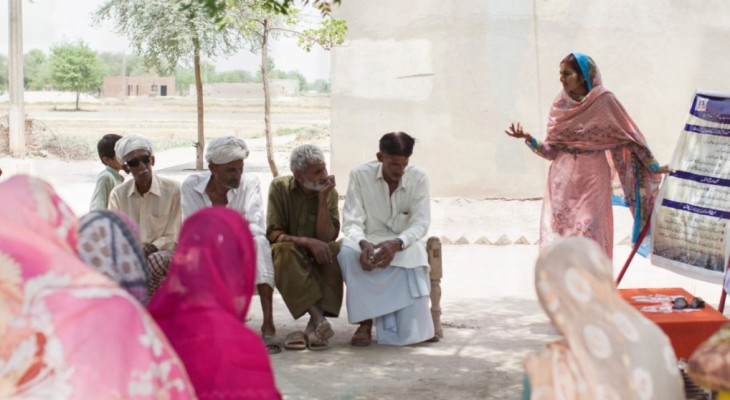
The fertility rate, while declining, remains high at around 3.3 births per woman, significantly above the replacement rate of 2.1. This means that even with continued declines in fertility, Pakistan's population will continue to grow for decades due to demographic momentum — the large number of young people who have yet to reach reproductive age.
Urbanization is proceeding rapidly. By 2026, more than 40 percent of Pakistan's population lives in urban areas, up from just 33 percent in 2000. Cities like Karachi, Lahore, Faisalabad, Rawalpindi, and Islamabad are growing at unprecedented rates, with Karachi's population alone estimated to have crossed 20 million. This urban growth is straining infrastructure, housing, sanitation, and public services.
Water Scarcity — The Looming Catastrophe
Perhaps the most immediate and severe consequence of Pakistan's population growth is water scarcity. Pakistan is rapidly approaching absolute water scarcity, with per capita water availability falling from approximately 5,000 cubic meters in 1951 to barely 1,000 cubic meters in 2026. The threshold for water scarcity is 1,000 cubic meters per person per year, meaning Pakistan is dangerously close to crossing this line.
The Indus River basin, which supplies 90 percent of Pakistan's water, is under immense pressure from population growth, agricultural demand, and climate change. Groundwater reserves are being depleted at an alarming rate, with water tables falling by several feet annually in many parts of the country. The situation is particularly dire in Balochistan and southern Punjab, where groundwater is becoming increasingly saline and unfit for consumption.
The United Nations has warned that Pakistan could face severe water shortages by 2030, with some estimates suggesting that water availability could drop to as low as 800 cubic meters per person. This would have catastrophic implications for agriculture, which consumes 90 percent of Pakistan's water, as well as for human consumption, sanitation, and industrial use.
Food Security — Feeding 255 Million
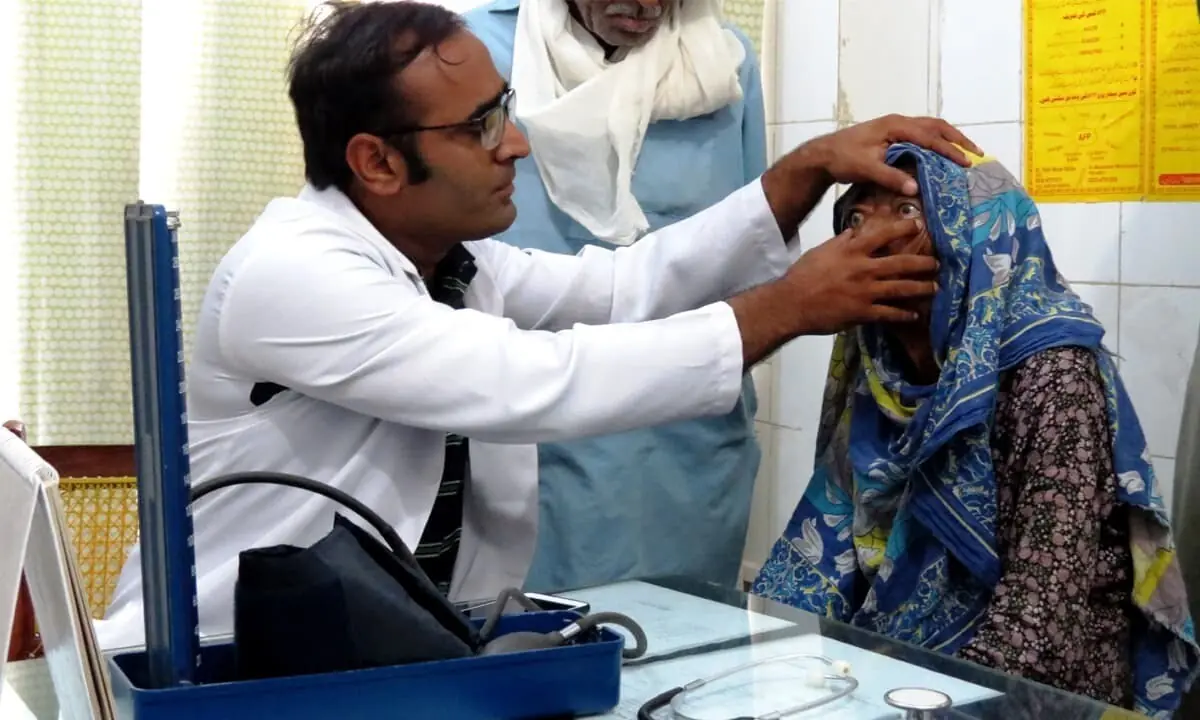
Feeding a population of 255 million is an enormous challenge, and Pakistan is falling short. Despite being an agricultural country with vast tracts of fertile land, food insecurity affects a significant portion of the population. The 2025 Global Hunger Index ranked Pakistan at 99th out of 127 countries, with a serious level of hunger. Approximately 37 percent of children under five years of age are stunted, indicating chronic malnutrition.
Population growth has outpaced agricultural productivity gains in recent years. While total food production has increased, per capita food availability has stagnated or declined. The country has become increasingly dependent on food imports, particularly wheat and edible oil, exposing it to global price fluctuations and supply chain disruptions. The rising cost of food has pushed basic nutrition beyond the reach of millions of Pakistani families.
Climate change is compounding these challenges. Rising temperatures, changing rainfall patterns, and more frequent extreme weather events are reducing crop yields and threatening agricultural livelihoods. The 2025 and 2026 heatwaves, which pushed temperatures above 50 degrees Celsius in parts of the country, caused significant damage to crops and livestock.
The Education Emergency
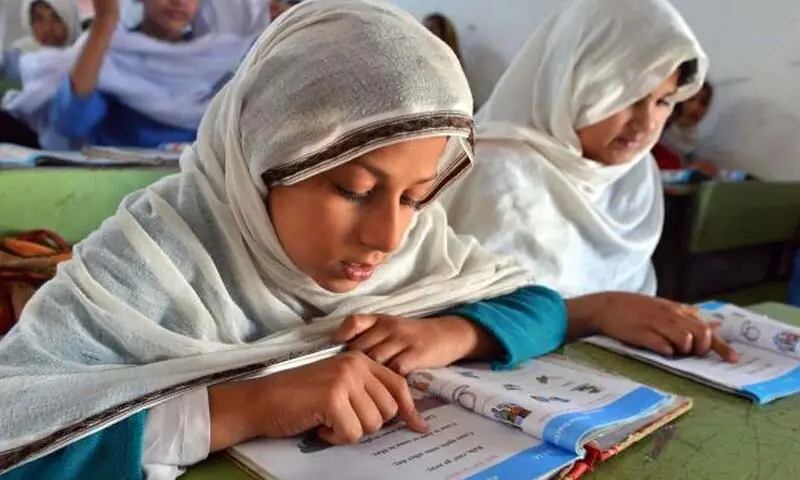
Pakistan's education system is struggling to keep pace with population growth. With 26 million children out of school and 77 percent of ten-year-olds unable to read a simple text, the country faces an education emergency of staggering proportions. The sheer number of school-age children — estimated at more than 50 million — overwhelms the capacity of the public education system.
Government spending on education remains woefully inadequate. Pakistan spends just 1.7 percent of GDP on education, one of the lowest rates in the world and far below the UNESCO-recommended 4 percent. The result is overcrowded classrooms, a shortage of trained teachers, inadequate infrastructure, and abysmal learning outcomes.
The population growth is exacerbating this crisis. Each year, millions of new children enter the school system, but the number of schools and teachers is not increasing at a commensurate rate. The gap between demand and supply continues to widen, condemning millions of children to a future without the education they need to escape poverty.
Employment and the Youth Bulge
Pakistan's youth bulge represents a demographic time bomb if productive employment cannot be generated. An estimated 2 to 3 million young people enter the labor market each year, but the economy is creating only a fraction of the jobs needed to absorb them. The unemployment rate, officially around 6 percent, is believed to be significantly higher among young people, with youth unemployment estimated to exceed 15 percent.
Underemployment is an even more pervasive problem. Millions of Pakistanis are working in the informal sector in low-productivity, low-wage jobs without social protection or job security. The lack of employment opportunities is driving a wave of emigration, with skilled professionals seeking opportunities in the Gulf, Europe, and North America.
The challenge of creating productive employment for a growing population is immense. Pakistan's economy has not grown fast enough or in the right sectors to absorb the millions of young people entering the labor market. The result is a growing pool of frustrated, unemployed youth — a potential source of social and political instability.
Urbanization and Infrastructure
The rapid urbanization driven by population growth is putting immense pressure on Pakistan's cities. The country's urban infrastructure — water supply, sanitation, electricity, transportation, housing — was designed for a much smaller population and is crumbling under the strain. Millions live in informal settlements and slums without access to basic services.
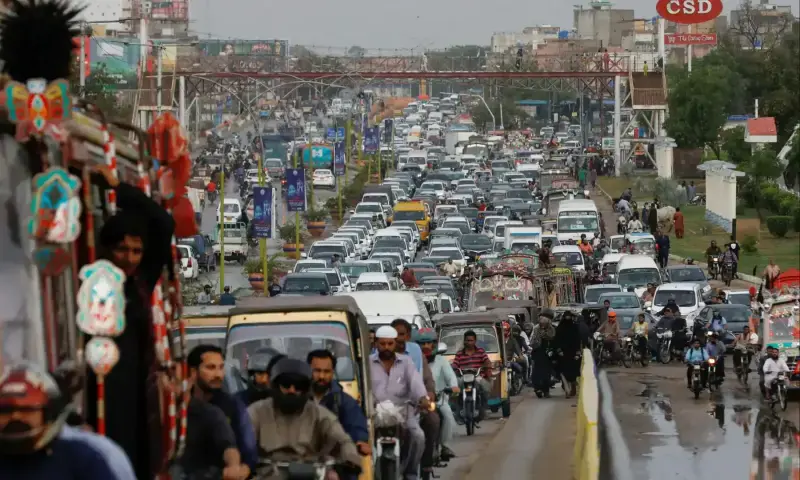
Karachi, Pakistan's largest city, exemplifies the challenges of rapid urbanization. With an estimated population of 20 million and growing, the city's infrastructure is struggling to cope. Water supply is inadequate, with residents relying on tanker trucks and illegal connections. The sewerage system is overwhelmed, with much of the city's waste flowing untreated into the Arabian Sea. Traffic congestion is chronic, public transportation is inadequate, and housing is increasingly unaffordable.
Similar pressures are being felt in Lahore, Islamabad, Faisalabad, and other urban centers. The gap between infrastructure needs and investment is widening, and the quality of life in Pakistan's cities is declining as a result.
The Way Forward
Addressing Pakistan's population crisis requires a comprehensive and sustained effort on multiple fronts. Family planning and reproductive health services must be expanded to give women and families the means to choose the timing and spacing of their children. Evidence from countries like Bangladesh shows that investing in family planning can accelerate fertility decline and improve health outcomes.
Education, particularly for girls, is the most powerful tool for slowing population growth. Educated women have fewer children, healthier families, and greater economic opportunities. Pakistan must dramatically increase investment in education to ensure that every child, especially every girl, has access to quality schooling.
Economic reforms that promote labor-intensive growth, support small and medium enterprises, and encourage investment in productive sectors are essential for creating the millions of jobs needed to employ Pakistan's growing workforce. Without economic growth that generates employment, the demographic dividend will become a demographic disaster.
Finally, Pakistan must invest in climate-resilient infrastructure, sustainable water management, and agricultural modernization to ensure that the country can feed its growing population in an era of climate change. The challenge is immense, but so are the consequences of inaction. Pakistan's population will continue to grow for decades, and the country must act now to build the foundations for a sustainable and prosperous future for all its citizens.