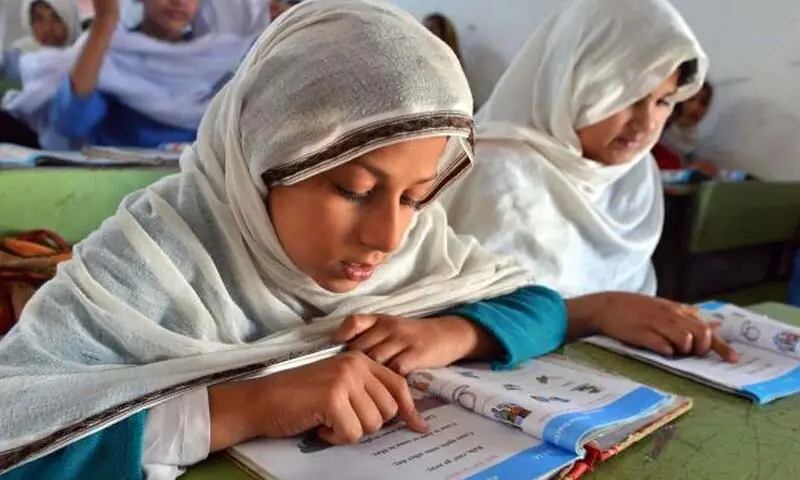
Pakistan's Education Crisis — 77 Percent of 10-Year-Olds Cannot Read and 26 Million Children Are Out of School
ISLAMABAD — In March 2026, the Pakistan Institute of Education released a report that sent shockwaves through the country's policy establishment: 77 percent of 10-year-olds in Pakistan are unable to read and comprehend simple text. The finding, encapsulated in the report 'Public Financing in Education 2025-26', was a stark illustration of an education crisis that has persisted for decades and, by some measures, is getting worse. With an estimated 26.2 million children out of school — roughly 28 percent of the school-age population — Pakistan has one of the highest rates of out-of-school children in the world, and its literacy rate of approximately 58 percent is among the lowest globally.
The Scale of the Crisis
The statistics paint a grim picture. Pakistan's education spending has fallen below 1 percent of GDP, far below the 4 percent recommended by UNESCO and the 4.5 percent target set in the National Education Policy. This chronic underinvestment has created a system that is underfunded, understaffed, and ill-equipped to meet the needs of a rapidly growing young population.
Even among children who are enrolled in school, the quality of education is deeply concerning. Beyond the headline figure of 77 percent of 10-year-olds unable to read, reports indicate that only 5 percent of children in Pakistan receive a good quality education. The gap between enrollment and learning outcomes — children attending school but not acquiring basic skills — is one of the most significant challenges facing the education system. Factors include inadequate infrastructure (many schools lack basic furniture, electricity, clean drinking water, and functioning toilets), poorly trained teachers, outdated curricula that emphasize rote memorization over critical thinking, and high teacher absenteeism rates.
Barriers to Access
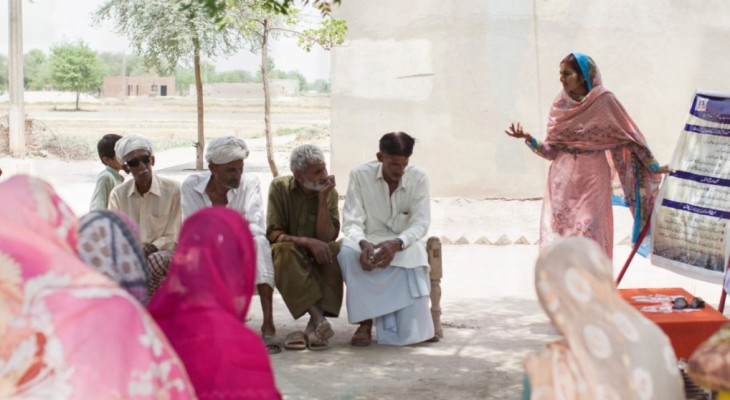
The reasons for Pakistan's high out-of-school children rate are complex and interlinked. Poverty is the most significant barrier — families struggling to meet basic needs often cannot afford the indirect costs of schooling, including uniforms, books, transport, and the opportunity cost of children's labor. In rural areas, children, particularly girls, are often kept home to help with farming, household chores, or care for younger siblings.
Gender disparities remain stark. While the gender gap in enrollment has narrowed in urban areas, rural girls continue to face significant barriers to education, including cultural norms that prioritize boys' education, early marriage, lack of female teachers, and schools that are located too far from home to be accessible or safe. Pakistan has made progress in enrolling girls in primary school, but the drop-off rate in middle and secondary school is much higher for girls than for boys.
Regional disparities are equally pronounced. Provinces like Khyber-Pakhtunkhwa and Balochistan have significantly lower enrollment and literacy rates than Punjab and Sindh. Within provinces, rural areas lag far behind urban centers. The education crisis is most acute in the marginalized communities of rural Balochistan and the former FATA regions, where access to schools of any quality is limited.
Climate Change and School Disruptions
An increasingly significant barrier to education in Pakistan is climate change. In 2023-24 alone, climate change-related events — including floods, heatwaves, and extreme weather — led to the loss of 97 school days for students in Pakistan. The 2022 floods, which submerged one-third of the country, destroyed or damaged over 30,000 schools, disrupting the education of millions of children. Repeated school closures due to rising fuel costs, climate-driven crises, and public health emergencies exacerbate the learning crisis, particularly affecting girls and vulnerable populations who are less likely to return to school after prolonged absences.
The heatwaves of 2026 have forced school closures across much of Punjab and Sindh, with temperatures exceeding 40°C making classroom attendance unsafe, particularly in schools without adequate ventilation or cooling. These disruptions compound existing learning deficits and push more children, especially girls, out of the education system permanently.
The Learning Crisis — Beyond Enrollment
Pakistan's education challenge extends far beyond getting children into classrooms. Even among enrolled students, learning outcomes are alarmingly poor. Large-scale assessments conducted by organizations like the Annual Status of Education Report have consistently found that a significant proportion of children in Grade 5 cannot perform basic arithmetic or read a Grade 2-level story in their local language.
The quality of teaching is a critical factor. Many government school teachers lack adequate training, subject matter expertise, and pedagogical skills. Teacher absenteeism is a persistent problem, with rates estimated at 15-20 percent in some regions. Political interference in teacher hiring and posting, low salaries that force teachers to take on second jobs, and weak accountability mechanisms all contribute to poor teaching quality.
Curriculum reform has been slow and contested. The education system still places heavy emphasis on rote learning and memorization, with students expected to reproduce textbook answers in examinations rather than demonstrate understanding, analysis, or creative thinking. The examination system rewards memory over comprehension, and teaching methods have been slow to adapt to modern pedagogical approaches.
Technology and Innovation in Education
Despite the challenges, there are bright spots in Pakistan's education landscape. Non-governmental organizations, private sector initiatives, and innovative social enterprises are working to address the education crisis through creative approaches. Organizations like The Citizens Foundation, one of the largest privately-run school networks in the world, operate over 1,800 school units across Pakistan, providing quality education to underprivileged communities.
Technology is increasingly being leveraged to expand educational access. During the COVID-19 pandemic, Pakistan launched the TeleSchool initiative, broadcasting educational content through television to reach students without internet access. Online learning platforms, educational YouTube channels, and mobile learning apps are supplementing traditional classroom instruction, particularly in subjects like mathematics and science where interactive digital content can enhance understanding.
The potential of artificial intelligence in education is being explored, with pilot programs using AI-powered tutoring systems to provide personalized learning support. However, as commentators have noted, Pakistan's severe resource limitations — including lack of furniture, electricity, and internet connectivity in many schools — mean that ensuring foundational literacy and numeracy for every child must remain the first priority before technology can play a transformative role.
Policy Responses and the Path Forward
The government declared an 'education emergency' in 2024, signaling recognition of the crisis's severity. The Pakistan Institute of Education report's finding that 77 percent of 10-year-olds cannot read has intensified pressure on policymakers to translate declarations into concrete action. The 'Public Financing in Education 2025-26' report highlighted critical financing challenges, noting a declining trend in education spending that must be reversed.
Education experts have called for a multi-pronged approach: increasing education spending to at least 4 percent of GDP, improving teacher training and accountability, reforming curricula to emphasize foundational skills and critical thinking, expanding non-formal education pathways for out-of-school children, addressing the specific barriers facing girls' education, and building climate-resilient school infrastructure.
The challenge is daunting but not insurmountable. Countries like Bangladesh and Sri Lanka, which started from similar positions, have made significant progress in education outcomes through sustained political commitment, increased investment, and community engagement. Pakistan has the resources, the institutional capacity, and the human talent to address its education crisis — what has been lacking is the sustained political will and accountability to make education a genuine national priority.
Conclusion
Pakistan's education crisis is the country's most pressing long-term challenge — a crisis of opportunity, equity, and national development that affects every aspect of society. When 77 percent of 10-year-olds cannot read, when 26 million children are out of school, and when education spending falls below 1 percent of GDP, the consequences ripple through every sector: economic productivity, health outcomes, civic participation, gender equality, and national competitiveness. The cost of inaction is measured in lost potential — millions of young Pakistanis who will never have the opportunity to develop the skills and knowledge they need to thrive in the 21st century. Addressing the education crisis requires not just money, but a fundamental reorientation of national priorities, a commitment to quality and equity, and the political will to make every child's right to education a reality.