Apple and Intel Reach Preliminary Chip-Making Deal — Major Boost for Intel Manufacturing Revival
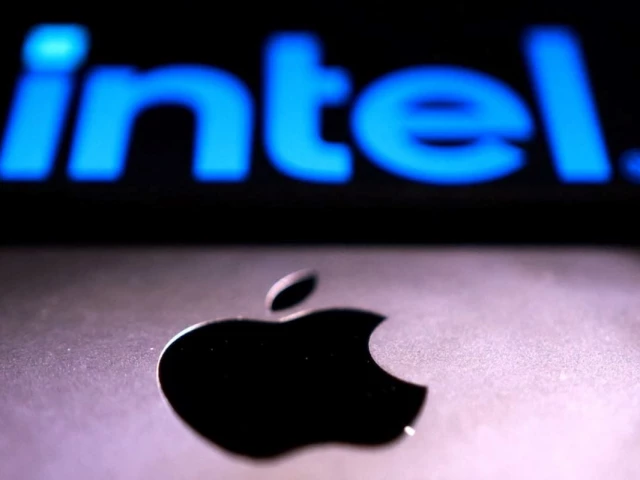
Intel has reached a preliminary agreement with Apple to manufacture cutting-edge chips that power the iPhone maker's devices, in a landmark deal that has sent Intel shares soaring by 15 percent and marks the most significant milestone yet in the chipmaker's ambitious turnaround under CEO Lip-Bu Tan. The Wall Street Journal reported on Friday that the two technology giants hammered out a formal deal in recent months after more than a year of intensive negotiations, with the US government playing a crucial behind-the-scenes role in bringing the parties together.
Apple stock rose approximately 1.7 percent in afternoon trading following the announcement, reflecting investor optimism about the partnership. The deal represents a defining moment for Intel's semiconductor manufacturing business, which has been working aggressively to close the gap with industry leader TSMC.
Landmark Agreement Details
According to sources familiar with the matter who spoke to the Wall Street Journal, the agreement was the result of more than 12 months of intensive discussions between senior executives at both companies. The negotiations covered technical specifications, manufacturing capacity, pricing structures, and long-term supply commitments.
Landing Apple as a manufacturing client gives Intel a guaranteed stream of high-volume demand from one of the world's most valuable and influential consumer electronics companies. Apple sold over 230 million iPhones globally last year, making it one of the largest chip buyers in the world. Securing even a portion of that business represents a transformative opportunity for Intel's foundry operations.
It remains unclear which specific Apple products Intel would manufacture chips for. Industry analysts have speculated that Intel may initially produce older-generation chips or specialised components before potentially graduating to more advanced processors in future iterations of the partnership.
US Government Role
The Journal report revealed that the US government, which became Intel's largest shareholder last year under a landmark deal, played a pivotal role in facilitating the Apple-Intel partnership. Commerce Secretary Howard Lutnick has met repeatedly over the last year with high-ranking Apple officials, including CEO Tim Cook, to encourage the company to diversify its chip manufacturing.
Lutnick also held discussions with SpaceX chief Elon Musk and Nvidia founder Jensen Huang as part of a broader push to strengthen domestic semiconductor manufacturing capabilities in the United States. The administration has made chip manufacturing independence a national priority, viewing it as critical to both economic security and technological competitiveness.
Intel's Turnaround Under Lip-Bu Tan
Intel CEO Lip-Bu Tan has led an aggressive transformation strategy since taking the helm, securing major investments and partnerships to revive the company's manufacturing division. Over the past year, Intel has:
- Secured Nvidia Investment — AI chip giant Nvidia took a $5 billion stake in Intel under a September agreement, signalling confidence in Intel's manufacturing roadmap
- Partnered with SoftBank — The Japanese investment conglomerate provided a $2 billion equity investment as part of Intel's capital-raising efforts
- Signed Government Agreements — Multiple landmark deals with the US government, including the government taking a 10 percent equity stake in the company
- Won Tesla Contract — Elon Musk confirmed last month that Tesla will use Intel's next-generation 14A manufacturing process for its Texas Terafab project
What This Means for Apple's Supply Chain
For Apple, the deal with Intel represents an opportunity to diversify its chip manufacturing supply chain and reduce its heavy dependence on TSMC, the Taiwan-based semiconductor manufacturer that currently produces the vast majority of Apple's custom chips. TSMC's production capacity has been stretched thin by surging demand from AI companies including Nvidia, AMD, and other major clients.
At Apple's most recent earnings call, CEO Tim Cook acknowledged that iPhone sales during the quarter had been held back by supply constraints at its contract manufacturer, highlighting the risks of relying too heavily on a single chip supplier. The Intel partnership gives Apple additional capacity and negotiating leverage in its supplier relationships.
Earlier this week, Bloomberg News reported that Apple had also held exploratory discussions about using Samsung to produce main processors for its devices, suggesting the company is pursuing a multi-supplier strategy to ensure resilient chip supply.
Broader Industry Impact
The Apple-Intel deal is expected to have significant ripple effects across the global semiconductor industry. It validates Intel's manufacturing ambitions and could encourage other major chip buyers to consider Intel as an alternative to TSMC. The deal also strengthens the US position in semiconductor manufacturing at a time when chip supply chains have become a focus of geopolitical concern.
Industry analysts note that the partnership could accelerate investment in advanced chip manufacturing facilities within the United States, creating thousands of high-skilled jobs and reducing reliance on Asian semiconductor foundries. Intel has already announced plans to build multiple new fabrication plants in Ohio, Arizona, and New Mexico as part of its expansion strategy.