Pakistan's Agricultural Sector — The Backbone of the Economy Facing a Convergence of Challenges in 2026
LAHORE — Agriculture has been the backbone of Pakistan's economy since the country's founding, employing nearly 40 percent of the labor force and contributing approximately 22 percent to the nation's GDP. The sector is central to food security, rural livelihoods, and export earnings, with major crops including wheat, cotton, rice, sugarcane, and maize forming the foundation of the agricultural economy. But as Pakistan moves through 2026, the agricultural sector is confronting a convergence of challenges — climate change, shrinking farm sizes, rising input costs, and policy gaps — that threaten its sustainability and the millions of lives that depend on it.
The State of Agriculture in 2026
Pakistan's agricultural landscape in 2026 is characterized by several critical trends. The Kharif crop season targets for 2026 include rice production of 9.17 million tonnes over 3.39 million hectares, cotton production of 9.64 million bales over 2.16 million hectares following a significant shortfall in 2025-26, and sugarcane production aimed at 80.3 million tonnes. Despite these targets, the sector faces headwinds: rising fertilizer and pesticide costs, depressed domestic crop prices, reduced exports particularly in rice, and the adverse effects of climate change on crop yields.
Farmers across the country report growing pessimism about the future of agriculture in Pakistan. Many fear that the situation could worsen with new challenges including increased duties on agricultural inputs and higher agricultural income tax. The cost-price squeeze — where input costs rise faster than output prices — is eroding farm profitability and making agriculture an increasingly precarious livelihood for small farmers.
On a positive note, no shortage of fertilizers is anticipated for the Kharif 2026 crops, with sufficient availability of urea and DAP projected. The government has also attempted to provide support through various agricultural subsidy programs, though their effectiveness remains debated.
The Shrinking Farm — A Structural Transformation
One of the most significant developments in Pakistan's agriculture is the structural change driven by shrinking farm sizes. The 7th Agricultural Census of Pakistan 2024 revealed stark figures: 97 percent of farmers own less than 12.5 acres, and an astonishing 61 percent cultivate less than 2.5 acres. The fragmentation of landholdings occurs through intergenerational land division — as land is divided among sons through inheritance, the per-family landholding shrinks with each generation.
Urban encroachment compounds the issue, as rapid urbanization converts agricultural land on the peripheries of cities to residential and commercial use. The result is a farming sector dominated by smallholders who struggle to achieve economies of scale, access credit, invest in modern technology, or generate sufficient income to sustain their families.
The decline in cotton cultivation in Punjab, as farmers shift to more profitable alternatives like rice and maize, is a direct consequence of this structural transformation. When farmers cannot afford to take risks on crops with volatile prices, they gravitate toward what offers the most reliable return, even if it means moving away from traditional cash crops.
Climate Change — The Existential Threat
Climate change is perhaps the most profound challenge facing Pakistan's agriculture. Erratic rainfall patterns, intensifying heatwaves, and shifting seasonal cycles are disrupting traditional farming calendars and reducing crop yields. The Pakistan Meteorological Department has warned that monsoon rainfall in 2026 is projected to be up to 26 percent more intense than in 2025, elevating the risk of widespread flooding that can destroy standing crops.
The heatwave conditions that have gripped much of Pakistan in 2026 have been particularly damaging. With temperatures in April and May soaring above 40°C across Sindh, Balochistan, and Punjab, crops are experiencing heat stress that reduces yields. Wheat, the staple food crop, is especially vulnerable to heat stress during the grain-filling stage, and farmers in many areas have reported reduced wheat yields due to unseasonably warm weather.
Water availability for irrigation is also becoming more uncertain. The glaciers of the Hindu Kush-Himalaya region, which feed the Indus River system that waters 90 percent of Pakistan's agricultural land, are receding at an accelerating rate. In the short term, this increases the risk of Glacial Lake Outburst Floods that can devastate farming communities in the north. In the long term, it threatens a permanent reduction in water availability that would fundamentally alter the agricultural geography of the country.
Fuelflation and Input Costs
The rising cost of petroleum products — particularly diesel — is significantly increasing production costs for farmers. Agriculture in Pakistan is heavily dependent on diesel-powered tube wells for irrigation, tractors for cultivation, and trucks for transportation. As global oil prices rise and government taxes on petroleum products increase, the cost of pumping water, tilling land, and moving crops to market eats into already thin profit margins.
This phenomenon, termed 'fuelflation', has cascading effects throughout the economy. Higher production costs for farmers lead to higher food prices for consumers, contributing to inflation and food insecurity. The burden falls disproportionately on the poorest households, who spend a larger share of their income on food.
The Rice Sector — A Mixed Picture
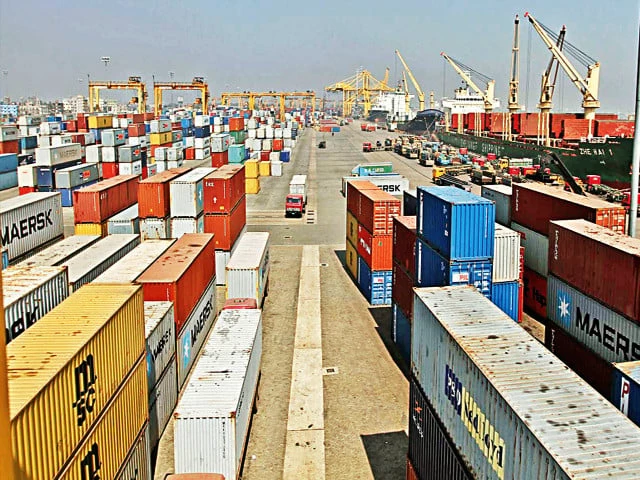
Pakistan's rice sector illustrates the complexities facing agricultural producers. Rice exports declined in the first half of fiscal year 2026, despite the country producing high-quality basmati rice that commands premium prices in international markets. The decline is attributed to increased competition from India, logistical challenges, and policy uncertainty.
However, the area under rice cultivation is expanding as farmers shift away from cotton and sesame in favor of rice, which offers more predictable returns. Basmati rice, in particular, remains a bright spot for Pakistani agriculture, with strong demand from Middle Eastern, European, and North American markets. The challenge is to maintain quality standards and improve processing and marketing to capture more value from export markets.
Modern Farming and Technology
There is growing emphasis on adopting modern tools and techniques to enhance agricultural productivity. Initiatives like vertical net farming are being promoted as low-cost, high-yield solutions for urban and peri-urban agriculture. Precision agriculture — using GPS-guided tractors, soil sensors, and drone monitoring — is being piloted in some progressive farming operations, though adoption remains limited due to cost and technical capacity constraints.
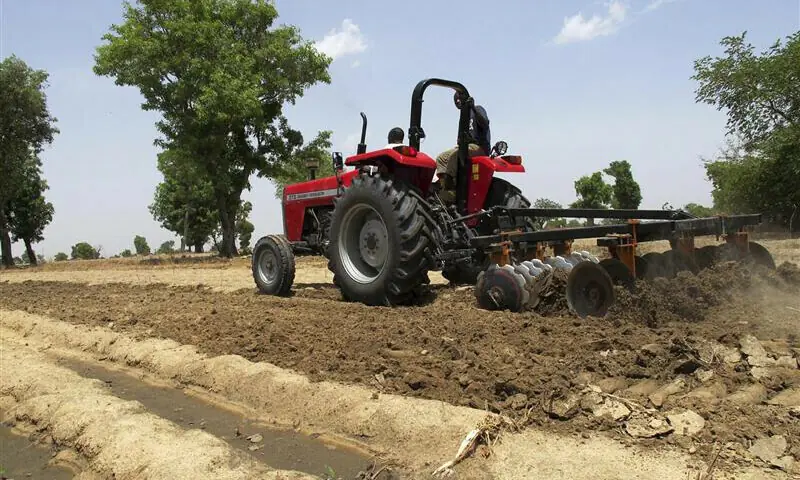
The government has announced programs to promote agricultural mechanization, provide subsidized credit for technology adoption, and expand agricultural extension services. However, implementation has been uneven, and many small farmers remain disconnected from these initiatives. Bridging the gap between policy and practice remains one of the critical challenges for Pakistan's agricultural development.
Conclusion
Pakistan's agricultural sector stands at a crossroads. The challenges are formidable — climate change, shrinking landholdings, rising input costs, and the need for modernization — but the opportunities are equally significant. Pakistan has abundant arable land, a diverse climate suitable for multiple crops, a large agricultural workforce, and established export markets for products like basmati rice, textiles, and fruits. With the right policies, investments, and institutional support, the sector can not only feed Pakistan's growing population but also drive economic growth and generate employment for millions.
The path forward requires a comprehensive approach: investment in climate-resilient crop varieties, expansion of irrigation efficiency, support for farmer cooperatives to achieve economies of scale, improved access to credit for small farmers, better agricultural research and extension services, and policies that insulate farmers from the worst effects of price volatility. Without such measures, Pakistan's agriculture — and the millions of livelihoods that depend on it — will continue to face mounting pressure in an increasingly uncertain future.