
Pakistan's Pharmaceutical Industry — From Medicine Importer to Global Export Hub
KARACHI/LAHORE — Pakistan's pharmaceutical industry has emerged as one of the country's most resilient and fastest-growing industrial sectors. In 2025, the listed pharmaceutical sector achieved an all-time high in profitability, surging by 78% year-on-year to Rs. 42.2 billion. Net sales for the sector increased by 14% year-on-year to Rs. 365.7 billion, driven by price adjustments following the deregulation of non-essential drugs in February 2024. By the end of 2025, the Pakistani pharmaceutical market had surpassed an annual value of Rs. 1 trillion, establishing itself as one of the country's largest industrial segments.
Export Boom: From Importer to Aspiring Global Supplier
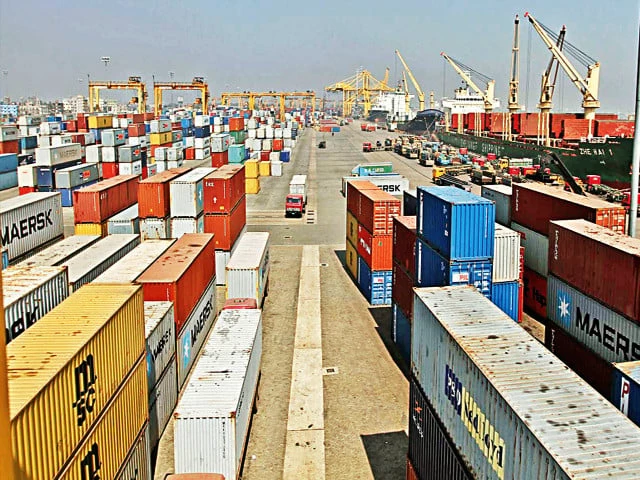
The most dramatic story in Pakistan's pharmaceutical sector is the export boom. In fiscal year 2025, pharmaceutical exports grew by approximately 34%, reaching around $457 million — the fastest growth rate in over two decades. Pakistani pharmaceutical companies are now exporting generics, active pharmaceutical ingredients, syrups, injectables, and over-the-counter products to markets across Africa, Central Asia, Southeast Asia, and parts of the Middle East.
Leading this export push are companies like Getz Pharma, Abbott, Glaxo, Haleon, and The Searle, which together account for a significant share of both domestic and export sales. These companies have invested heavily in manufacturing facilities that meet international quality standards, enabling them to compete in regulated markets that were previously beyond reach.
The government has set an ambitious pharmaceutical export target of $30 billion over the next five years, with stakeholders aiming to position Pakistan as a $5 billion to $10 billion pharmaceutical export industry by 2030. Achieving this goal will require continued investment in quality infrastructure, regulatory reform, and market access negotiations with new trading partners.
Domestic Manufacturing: 85% Self-Sufficiency
A key strength of Pakistan's pharmaceutical industry is its high degree of self-sufficiency. Approximately 85% of medicines consumed in the country are manufactured locally, with local manufacturers now accounting for over 70% of the domestic pharmaceutical market by value. This domestic manufacturing capability has proven crucial during global supply chain disruptions, ensuring that essential medicines remain available to Pakistani patients.
The deregulation of non-essential medicine prices in February 2024 was a watershed moment for the industry. While officials reported an average 32% increase in medicine prices by November 2025, the Pakistan Pharmaceutical Manufacturers Association maintained that the actual rise was closer to 15%. The PPMA argued that deregulation successfully restored the availability of over 50 life-saving and critical drugs that had been in short supply in local pharmacies, as the previous price control regime had made their production commercially unviable.
Regulatory Reform and Quality Assurance
The Drug Regulatory Authority of Pakistan has been at the center of the industry's transformation. DRAP has implemented significant reforms to streamline drug registration, improve quality assurance, and enhance regulatory oversight. These reforms have helped build confidence in Pakistani pharmaceutical products both domestically and internationally.
However, challenges remain. In November 2025, Afghanistan implemented a ban on Pakistani medicine imports citing concerns about quality, significantly impacting exports to one of Pakistan's largest pharmaceutical markets. The industry has responded by redoubling its focus on quality assurance and seeking alternative markets in Africa and Central Asia.
The Middle East Crisis and Supply Chain Resilience
In March 2026, concerns about potential drug supply disruptions arose due to the Middle East crisis, given that a significant portion of active pharmaceutical ingredients are imported through Middle Eastern countries. However, DRAP and the PPMA reassured the public that sufficient raw material stocks were available for three months and that efforts were underway to establish alternative supply chains.
Health Minister Mustafa Kamal announced that Pakistan held sufficient medicine stocks to meet demand for the next five to six months, while the PPMA affirmed the industry's commitment to absorbing rising energy and logistics costs to provide quality medicines at affordable prices.
The Debate Over Drug Pricing
Despite the industry's impressive financial performance, the issue of drug pricing remains contentious. The decontrol of medicine prices has led to significant increases for certain medications, with some reportedly rising by over 100% since February 2024. In March 2026, DRAP dismissed reports of widespread price hikes in essential medicines, stating that rates had not undergone any "upward revision" and that price increases mentioned in some reports referred to Maximum Retail Prices printed on older packs from previous years, not recent approvals.
Consumer advocacy groups continue to call for greater transparency in drug pricing and stronger regulatory oversight to ensure that essential medicines remain affordable for ordinary Pakistanis. The tension between ensuring commercial viability for pharmaceutical companies and maintaining affordable access to medicines for patients remains one of the most challenging policy dilemmas facing the sector.
Innovation and the Future
The Pakistan Pharma Expo 2026, held in Lahore in April, showcased new technologies and highlighted the industry's commitment to innovation. The government has also emphasized the importance of local vaccine manufacturing to reduce reliance on imports and strengthen pandemic preparedness.
The CDMO market in Pakistan is poised for significant growth, driven by increasing demand for generic drugs, rising healthcare expenditure, and a focus on outsourcing manufacturing activities. With a stable exchange rate, export-focused strategies, and active product pipelines, the pharmaceutical industry is well-positioned for continued growth.
Pakistan's pharmaceutical sector has come a long way — from a struggling industry dependent on imports to a trillion-rupee market with growing global ambitions. The next decade will determine whether it can fulfill its potential as a major pharmaceutical manufacturing and export hub.