
The New Era of Pakistan Cricket — PSL Glory, Revamped Domestic System and Emerging Talent
LAHORE/RAWALPINDI — Pakistan cricket is entering a transformative period, with a revamped domestic structure, emerging young talent, and the historic triumph of Peshawar Zalmi in PSL 11 signaling a new chapter for the sport. While the national team continues to navigate the challenges of international cricket, the foundations of the game in Pakistan are being rebuilt from the ground up.
PSL 11: A Tournament of New Champions
The Pakistan Super League's 11th edition, which concluded in May 2026 at Gaddafi Stadium in Lahore, delivered one of the most compelling seasons in the tournament's history. Peshawar Zalmi, under the captaincy of Babar Azam, clinched their first PSL title after defeating Hyderabad Kingsmen in a thrilling final. Babar Azam not only led his team to glory but also finished as the tournament's top run-scorer, earning him the captaincy of the PSL 11 Team of the Tournament, selected by a five-member panel.
The tournament also marked the emergence of a new generation of talent, with the PSL announcing an Emerging Team of the Tournament featuring promising young domestic players who impressed throughout the season. This focus on youth development reflects a broader shift in Pakistan cricket toward building for the future.
The Revamped Domestic Structure
Perhaps the most significant development in Pakistan cricket is the complete overhaul of the domestic structure for the 2025-26 season. The Pakistan Cricket Board has introduced a three-tier departmental system, replacing the previous two-tier model with the addition of Grade-III and incorporating promotion and relegation mechanisms to enhance competitiveness.
In Grade-I, the top tier features first-class and List-A cricket, with eight participating departments including Ghani Glass, Khan Research Laboratories, Oil and Gas Development Company Limited, Pakistan Television, Sahir Associates, State Bank of Pakistan, Sui Northern Gas Pipelines Limited, and Water and Power Development Authority. The bottom two teams face relegation to Grade-II, ensuring that every match carries high stakes.
Grade-II comprises 14 teams, including 12 qualifiers from the previous season and the two relegated from Grade-I, competing in the three-day President's Trophy. The winner earns promotion to Grade-I for the next season. The newly created Grade-III adds a two-day tournament, with the top two sides earning promotion, creating a pathway for smaller departments and regional teams to rise through the ranks.
The Quaid-i-Azam Trophy, the country's premier first-class competition, has also been streamlined with only eight regional sides participating, down from 18 in the previous season. This consolidation aims to concentrate talent and raise the quality of competition.
Women's Cricket on the Rise
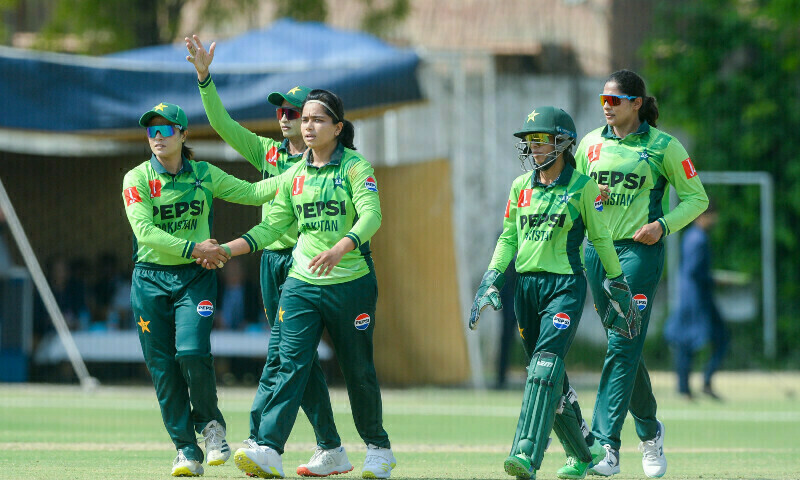
Pakistan women's cricket has been one of the brightest stories in the sport. In May 2026, the women's team achieved a historic 3-0 clean sweep in an ODI series against Zimbabwe at the National Bank Stadium in Karachi. Opener Gull Feroza was the standout performer, scoring an unbeaten century and breaking her own record for the fastest ODI century by a Pakistan women's batter.
The PCB has also invested in women's domestic cricket, with the National Women's One-Day Tournament held in Karachi and the National Women's U-19 T20 Tournament providing a pipeline for young talent. Several departments are expected to form women's teams, further strengthening the domestic structure.
International Cricket: Challenges and Opportunities
On the international front, Pakistan continues to host major teams, with Australia announcing their squads for white-ball tours of Pakistan and Bangladesh in May and June 2026. The Australian tour will feature three ODIs in Rawalpindi and Lahore, starting May 30, with three potential debutants included in the squad. This continued commitment from top cricketing nations to tour Pakistan is a testament to the improved security situation and the PCB's efforts to bring international cricket back to the country.
The Pakistan men's team, meanwhile, is navigating the post-Babar era with a mix of experienced campaigners and emerging talent. The team's performances in bilateral series continue to be a work in progress, but the depth of talent being produced by the revamped domestic system provides reason for optimism.
Grassroots Development and the Future
The selection criteria for regional teams now considers past performances in a wide range of competitions, including the Quaid-i-Azam Trophy, National T20, President's Trophy and Cup (Grade-I), Pakistan U-19, National U-19, and Regional Inter-District competitions. This comprehensive approach ensures that talent is identified and developed at every level of the game.
The introduction of the Hanif Mohammad Trophy, a non-first-class tournament that kicks off the domestic season, provides additional competitive opportunities for emerging players. Teams from Faisalabad, Rawalpindi, FATA, Hyderabad, Multan, Quetta, and other regions compete in this 31-match tournament across various cities, ensuring that talent from across the country gets a platform.
Pakistan cricket stands at a crossroads. The domestic system has been rebuilt from the ground up, young talent is emerging through the PSL and age-group cricket, and the women's game is experiencing unprecedented growth. The challenge now is to translate these structural improvements into consistent success on the international stage — a challenge that, for the first time in years, Pakistan cricket appears well-equipped to meet.