
Pakistan Makes HIV Screening Mandatory — Task Force Proposes Testing Before Surgery and Airport Screening
ISLAMABAD — The Government of Pakistan has decided to significantly strengthen HIV screening and regulatory measures across the country in response to a rise in reported cases, with mandatory HIV testing before surgical procedures and enhanced screening of individuals at airports and entry points being proposed as key measures. Prime Minister Shehbaz Sharif personally took notice of the situation and constituted a high-level task force to investigate the matter and propose corrective actions.
The task force's second meeting, established on the prime minister's directives, was held under the chairmanship of Minister of State for Health Dr Mukhtar Bharth. The meeting was attended by task force members and representatives of relevant institutions including the National Institute of Health (NIH), Border Health Services, and provincial health authorities.
Task Force Recommendations
Dr Bharth stated that the task force's purpose was to investigate the causes behind the surge in cases, identify those responsible, and formulate comprehensive recommendations to prevent such incidents in the future. The task force was specifically directed to conduct a thorough investigation into incidents involving the reuse of contaminated syringes, which health officials have identified as a major contributor to the spread of HIV in certain regions.
Several key recommendations emerged from the meeting:
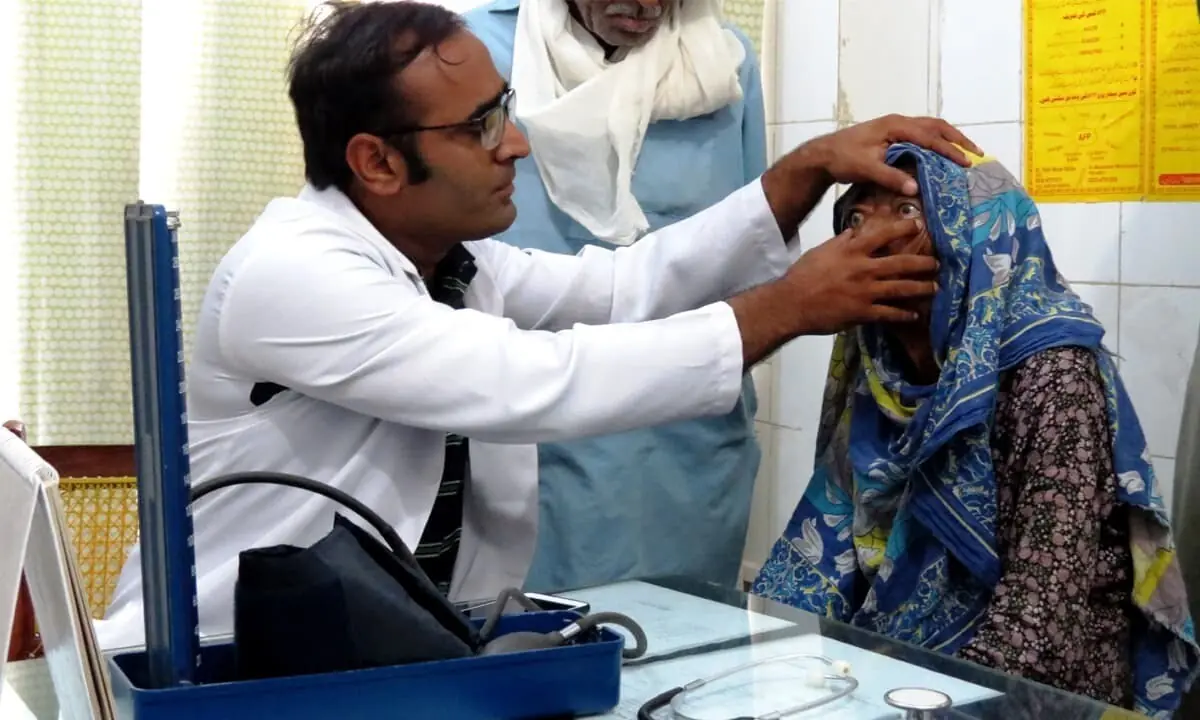
- Mandatory HIV Testing — HIV testing to be made compulsory as part of screening processes nationwide, including prior to surgical procedures in all hospitals
- Airport Screening — Border Health Services directed to ensure screening of deported individuals at airports and entry points
- National Public Health Law — Consensus reached on preparing a comprehensive law aimed at curbing the spread of HIV, particularly due to unsafe medical practices
- Regular Inspections — Call for regular inspections of medical facilities and pharmacies with strict penalties for violations
- Syringe Regulation — Strong action recommended against the sale or mislabelling of reusable syringes
Data Monitoring and Coordination
It was agreed that the National Institute of Health (NIH), through its CDC and the Common Management Unit, will activate a real-time data dashboard to ensure effective monitoring of HIV cases, trend analysis, and improved coordination among all stakeholders. This digital monitoring system will enable health authorities to track outbreaks in real time and respond more effectively to emerging threats.
Prevention and Awareness
The task force underscored the importance of enforcing patient safety protocols and ensuring that all healthcare commissions across the country effectively implement regulatory measures. It stressed the timely availability of essential medical supplies to prevent syringe reuse in healthcare settings.
Participants emphasised the need for a comprehensive report containing actionable and practical recommendations to strengthen infectious disease control mechanisms across Pakistan's healthcare system.
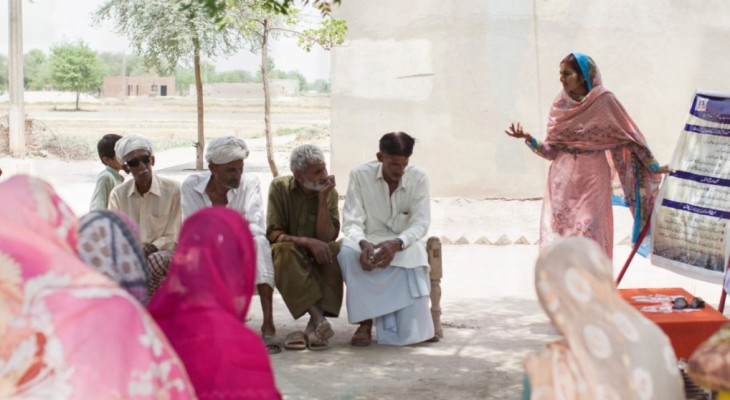
To address the virus's spread, the task force recommended expanding access to testing, treatment, and preventive services in high-risk groups and vulnerable areas. It further proposed including HIV in the list of notifiable diseases and launching a nationwide awareness campaign to educate the public about prevention methods.
Auto-Disable Syringes Progress
The task force acknowledged progress in the use of auto-disable syringes across the country but noted that multiple challenges still exist in ensuring safe medical practices at all levels of the healthcare system. It stressed the need to further strengthen infection prevention and control measures across all provinces.
Authorities were directed to ensure strict prevention of syringe and IV set misuse and to adopt evidence-based strategies to curb the transmission of blood-borne diseases, including HIV. The task force also directed healthcare commissions across all provinces to enhance their regulatory oversight of medical facilities.