
Pakistan's Pashtun Culture — From Khushal Khan Khattak to the Timeless Traditions of the Frontier
PESHAWAR — The Pashtun culture, stretching across Pakistan's Khyber-Pakhtunkhwa province and into the tribal districts, is one of the world's oldest and most richly textured living traditions. From the ancient valleys of the Hindu Kush to the bustling bazaars of Peshawar, Pashtun identity is woven from a fabric of poetry, music, hospitality, honor, and a deeply rooted code of conduct known as Pashtunwali. In an era of rapid change, this culture is not merely surviving — it is evolving, finding new expressions while holding fast to its essential character.
The Code of Pashtunwali
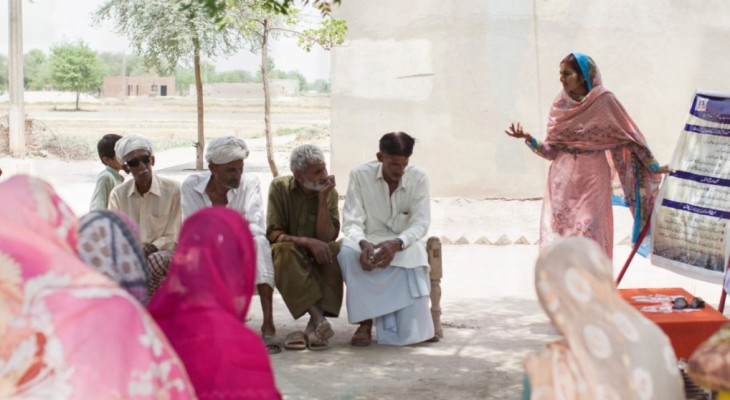
At the heart of Pashtun identity lies Pashtunwali, the unwritten ethical code that governs every aspect of life. Its core principles include Melmastia (hospitality), Nanawatai (refuge), Badal (justice and revenge), Nang (honor), and Ghairat (pride). These principles are not abstract concepts but lived realities that shape interactions between individuals, families, and communities. A Pashtun host is expected to welcome any guest, regardless of background, with the utmost generosity — offering food, shelter, and protection. The principle of Nanawatai means that even an enemy who seeks refuge must be protected, a tradition that has saved countless lives over the centuries.
Pashtunwali predates Islam in the region, but over centuries it has blended seamlessly with Islamic values, creating a unique cultural synthesis that distinguishes Pashtun society. The code places tremendous emphasis on honor, and the protection of family and community reputation is paramount. While some aspects of Pashtunwali have been criticized, particularly those relating to gender roles and the cycle of revenge, the code also embodies values of courage, loyalty, and generosity that are central to Pashtun identity.
The Literary Tradition — Poets of the Frontier
Pashtun literary heritage is among the richest in South Asia, with a poetic tradition that spans hundreds of years. The towering figure of this tradition is Khushal Khan Khattak (1613-1689), the warrior-poet who is considered the father of Pashto literature. A chieftain, military leader, and philosopher, Khushal Khan wrote with equal passion about love, honor, nature, and politics. His poetry, which includes the famous couplet 'I take my sword in hand and my beloved walks beside me,' embodies the Pashtun spirit — fierce, romantic, and unyielding. In February 2026, literary societies in Peshawar marked the 337th anniversary of his death, gathering writers, faculty members, and students to celebrate his enduring legacy as the eternal voice of Pashtun honor and bravery.
Rahman Baba (1653-1711), known as the 'Sheikh of Pashto poetry,' represents the mystical Sufi tradition in Pashtun literature. His verses, which explore themes of divine love, human connection, and spiritual wisdom, are memorized and recited across the region. Unlike Khushal Khan's martial poetry, Rahman Baba's work emphasizes peace, humility, and the search for spiritual truth. Together, these two poets define the poles of Pashtun literary expression — the warrior and the mystic, the worldly and the divine.
The literary tradition continues into the modern era with poets like Ghani Khan (1914-1996), the son of Khan Abdul Ghaffar Khan, whose poetry blends Pashtun nationalism with universal themes of love and humanity. Contemporary Pashto literature has expanded into novels, short stories, and journalism, with writers exploring themes of displacement, identity, and the challenges of modernization in a changing world.
Music — The Rubab and Beyond
Pashtun music is characterized by its distinctive instruments and melodic traditions. The rubab, a lute-like instrument carved from mulberry wood, is considered the national instrument of the Pashtun region and is often called the 'lion of instruments' for its powerful, resonant sound. Accompanied by the tabla or the traditional dhol drum, rubab music creates the soundtrack for Pashtun celebrations, from weddings to community gatherings.
The Khattak dance, a traditional martial dance performed by Pashtun men, is one of the most visually striking expressions of Pashtun culture. Dancers move in synchronized circles, spinning and leaping to the beat of drums, their movements evoking the agility and courage of warriors preparing for battle. The dance is performed at festivals, weddings, and cultural events, serving as both entertainment and a living connection to Pashtun martial traditions.
Modern Pashtun music has evolved to incorporate contemporary influences while maintaining its traditional roots. Pashto pop and rock music have gained popularity, with artists blending traditional melodies with electric guitars and modern production techniques. Music videos featuring Pashto songs have accumulated millions of views on YouTube, introducing Pashtun culture to a global audience.
Peshawar — The Cultural Heart of the Frontier
The city of Peshawar, with a history spanning over 2,000 years, is the cultural heart of Pashtun civilization. Its old city, with narrow winding streets, traditional wooden-balconied houses, and historic mosques, including the magnificent Mohabbat Khan Mosque built in the 17th century, is a living museum of Pashtun architecture and urban life. The Qissa Khwani Bazaar, or the 'Street of Storytellers,' has been a gathering place for traders, travelers, and storytellers for centuries, its name evoking an era when caravans from Central Asia, Persia, and South Asia would converge here to exchange goods and tales.
Peshawar Museum houses one of the finest collections of Gandharan art in the world, reflecting the region's Buddhist heritage that predates Islam. The museum's collection of statues, reliefs, and artifacts from the ancient Buddhist civilization that flourished in the region between the 1st and 5th centuries CE is a testament to the layered history of the Pashtun region, where multiple civilizations have left their mark over millennia.
Pashtun Culture in the Modern Era
In 2026, Pashtun culture is navigating the tensions between tradition and modernity that characterize societies around the world. The Khyber Pakhtunkhwa journalists' forum on culture has announced plans to hold dialogues with media, academia, and civil society to safeguard and promote the province's authentic cultural heritage, expressing concern that culture is being reduced to merely music and drama. These efforts reflect a broader desire to preserve the depth and richness of Pashtun traditions in an era of rapid change.
The Pashtun diaspora, spread across the Middle East, Europe, and North America, has played a crucial role in keeping Pashtun culture alive beyond the borders of the homeland. Pashto cultural associations in cities like Dubai, London, and Toronto organize events that feature poetry recitations, music performances, and traditional dances, ensuring that newer generations born abroad maintain their cultural connection. Social media has also become a powerful tool for cultural preservation, with Pashto-language content reaching millions of viewers worldwide.
Women in Pashtun Culture
While Pashtun culture has traditionally been patriarchal, with strict codes governing women's behavior and public participation, this is changing. Education and economic empowerment are creating new opportunities for Pashtun women, and a growing number are emerging as writers, artists, educators, and professionals. Women's poetry, long an underappreciated strand of Pashtun literature, is gaining recognition, and female musicians are beginning to perform and record, challenging long-held taboos. These changes are gradual and uneven, but they represent a significant shift in a society often perceived as unchanging.
Conclusion
Pashtun culture is a living heritage that has demonstrated remarkable resilience across centuries of change. From the timeless verses of Khushal Khan Khattak to the rhythms of the rubab, from the bustling bazaars of Peshawar to the Pashtun communities of the global diaspora, this rich tradition continues to evolve while maintaining its essential character. The challenges of modernization, globalisation, and social change are real, but so is the determination of Pashtuns to preserve and transmit their cultural heritage to future generations. In poetry, music, dance, and the enduring principles of Pashtunwali, the spirit of the frontier lives on.