Pakistan's Solar Energy Boom — The People-Led Revolution and Its Policy Conundrum
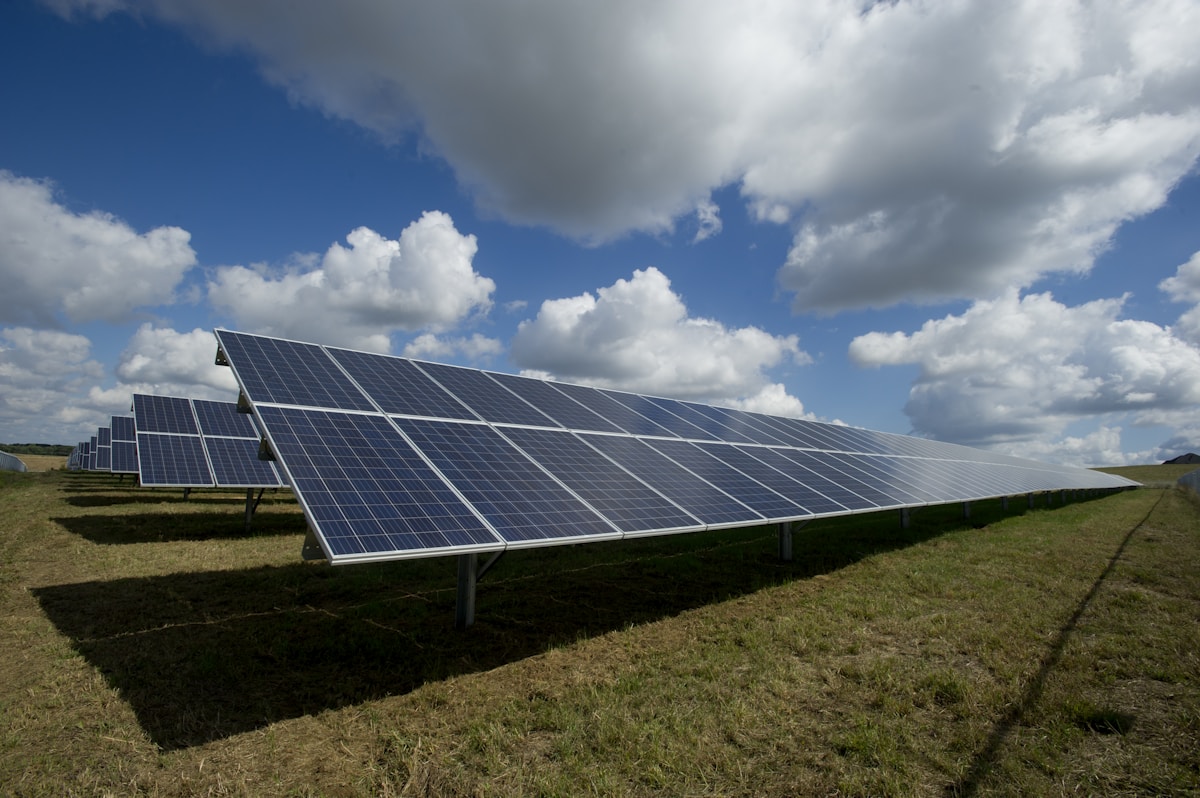
ISLAMABAD — In what has been described as a quiet revolution, Pakistan has witnessed an extraordinary surge in solar energy adoption over the past two years, driven primarily by ordinary citizens, small businesses, and agricultural users seeking relief from skyrocketing electricity bills. The movement, largely organic and self-funded, has transformed the country's energy landscape in ways that policymakers are still struggling to fully comprehend and regulate.
The Scale of the Solar Revolution
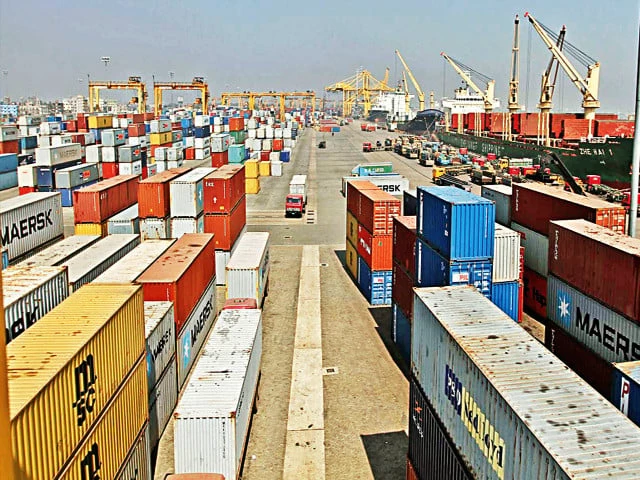
According to industry estimates, Pakistan imported solar panels worth over .5 billion in 2024 and 2025 combined, with monthly imports peaking at nearly 00 million by late 2025. The National Electric Power Regulatory Authority (NEPRA) has reported that net metering connections have surged past 200,000 nationwide, up from just 15,000 in 2021. However, industry insiders believe the actual number of solar installations is significantly higher, as many consumers choose off-grid or hybrid systems that do not register under the net metering framework.
The driving force behind this boom is simple arithmetic. With industrial electricity tariffs among the highest in the region — crossing Rs 45 per unit in some categories — the payback period for a typical 5kW solar system has shrunk to just two to three years. For commercial users with daytime operations, the economics are even more compelling. A typical small factory in Punjab can recover its solar investment in under 18 months.
The Policy Response and Growing Pains
The rapid adoption has caught regulatory authorities off guard. NEPRA's efforts to revise net metering regulations have sparked intense debate between solar advocates, distribution companies (DISCOs), and policymakers. The regulator's proposal to reduce the buyback rate for excess solar electricity from the current Rs 19-21 per unit to approximately Rs 11 per unit has generated significant pushback from consumer groups and the solar industry.
Distribution companies, struggling with stranded capacity costs and declining revenue from their highest-paying customers, argue that the current net metering framework is unsustainable. They contend that solar users benefit from grid infrastructure without bearing their share of fixed costs, effectively cross-subsidized by non-solar consumers. Solar industry representatives counter that DISCOs have failed to improve service quality or reduce line losses, and that penalizing solar adoption would be a regressive step.
The Rural Dimension
Perhaps the most transformative impact of the solar boom has been in rural and peri-urban areas. Farmers who previously relied on expensive diesel generators for irrigation are increasingly turning to solar-powered tube wells. In southern Punjab and Sindh, solar water pumping has emerged as a game-changer, reducing input costs for small farmers by up to 60 percent. The phenomenon has also reached off-grid areas in Balochistan, where solar home systems are providing basic electricity access to communities that have never been connected to the national grid.
The agricultural solar revolution has not been without complications. Water experts warn that unregulated solar tube well deployment could accelerate groundwater depletion in already stressed aquifers. The Punjab government has begun piloting smart solar tube well programs that tie electricity generation to water usage monitoring, aiming to balance agricultural productivity with long-term water sustainability.
The Manufacturing and Economic Ripple Effects
The solar boom has also catalyzed a nascent solar manufacturing ecosystem in Pakistan. While the country remains heavily dependent on imported Chinese panels, local assembly and ancillary manufacturing — including mounting structures, inverter assembly, and battery packaging — have grown substantially. Industry estimates suggest the solar value chain now employs over 100,000 workers directly in installation, maintenance, sales, and distribution.
Several Pakistani entrepreneurs have launched innovative business models, including pay-as-you-go solar leasing for residential customers and solar-as-a-service for commercial users. These models are expanding access beyond the cash-rich segment of the market, potentially accelerating adoption further.
The Grid Stability Challenge
The technical implications of mass solar adoption are becoming increasingly apparent to system operators. Midday solar generation in major cities has already begun reducing daytime demand on the national grid by as much as 15 to 20 percent during peak sunshine hours, creating what grid operators call the 'duck curve' phenomenon — a sharp drop in net demand followed by a steep ramp-up as the sun sets and solar generation fades.
This pattern poses significant challenges for grid management, particularly for a system that was designed for steady baseload generation. The National Transmission and Despatch Company (NTDC) has initiated studies on grid-scale battery storage and demand-side management to address these challenges, but implementation remains in early stages.
Conclusion
Pakistan's solar energy boom represents both an extraordinary success story and a complex policy challenge. The people-led transition to solar has demonstrated the power of market forces and consumer choice in driving energy transformation, outperforming decades of government-led energy planning. However, without thoughtful policy intervention, the success of the solar revolution could undermine grid stability and create new layers of inequality between solar and non-solar consumers.
The path forward requires a carefully calibrated approach — one that maintains the momentum of solar adoption while ensuring the financial viability of the grid and fair cost sharing among all consumers. As Pakistan navigates this transition, the lessons learned could offer valuable insights for other developing countries facing similar energy transformation challenges.