Pakistan's Textile Industry — The Garment Giant Navigating Global Headwinds Through Value Addition and Sustainability
KARACHI — Pakistan's textile and apparel industry, the country's largest manufacturing sector and biggest export earner, is navigating one of the most challenging periods in its history. With textile exports standing at $13.58 billion during July-March FY26, the sector has shown remarkable resilience despite headwinds including weakening global demand, rising input costs, protectionist trade policies, and domestic structural challenges. Yet beneath the surface of marginal decline lies a story of transformation — a shift toward value-added products, sustainable manufacturing, and market diversification that is reshaping one of Pakistan's oldest industries.
The Current State of the Industry
Pakistan's textile industry is a behemoth, accounting for approximately 60 percent of the country's total exports and providing direct employment to an estimated 15 million workers. The sector spans the entire value chain, from cotton farming and ginning to spinning, weaving, finishing, and garment manufacturing. It is concentrated primarily in Punjab, with major clusters in Faisalabad, Lahore, and Multan, while Karachi serves as the hub for garment manufacturing and export processing.
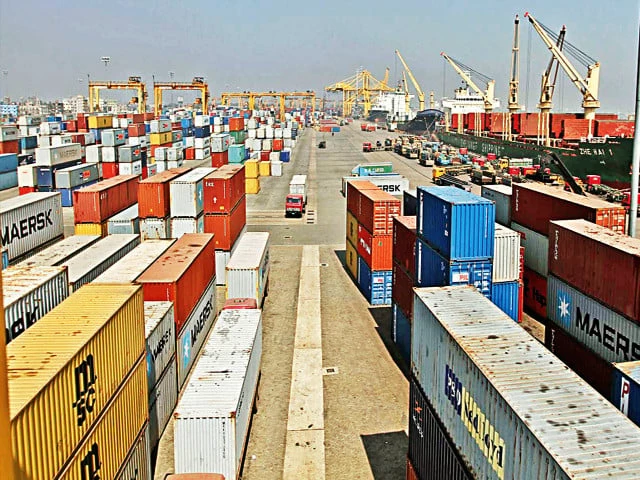
Exports for July-March FY26 reached $13.58 billion, a marginal decline of 0.5 percent compared to the $13.65 billion recorded in the same period of the previous fiscal year. Monthly figures have been volatile, with January 2026 showing a promising 3.14 percent growth to $1.738 billion, followed by declines of 7.22 percent in February and 7.06 percent in March. This volatility reflects the uncertain global trading environment and the domestic challenges that continue to constrain the sector's potential.
The Shift to Value-Added Products
Perhaps the most significant trend in Pakistan's textile sector is the strategic pivot from low-value commodity products to higher-value finished goods. Knitwear and ready-made garments now constitute over half of the total textile export basket, a fundamental shift from the historical reliance on raw cotton and yarn exports. This transition is critical for the industry's long-term competitiveness, as value-added products generate higher margins, create more jobs per unit of output, and are less susceptible to price volatility in global commodity markets.
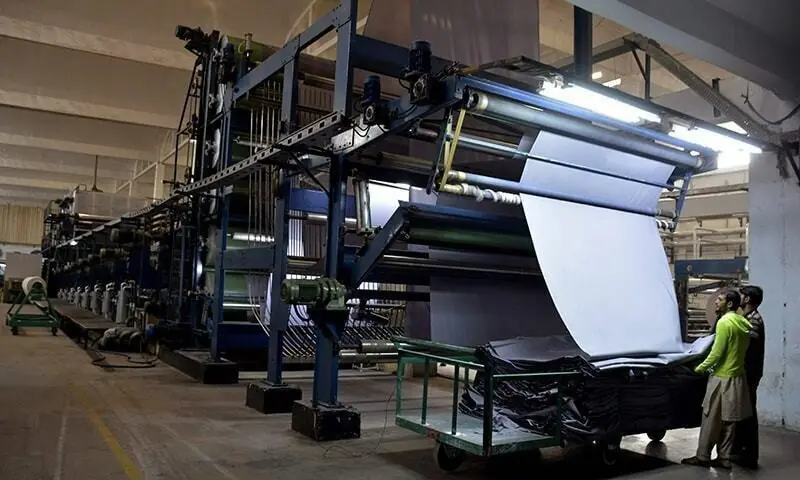
Pakistan has invested significantly in modernizing its garment manufacturing capacity, with new factories equipped with state-of-the-art machinery and production systems that meet international standards. The quality of Pakistani finished garments has improved markedly, enabling the country to compete for orders that previously went to Bangladesh, Vietnam, and China. However, the gap remains significant, and Pakistan's share of the global garment trade remains well below its potential given the size and historical strength of its textile sector.
The government has recognized the importance of value addition and has announced incentives for garment manufacturers, including duty-free import of machinery and tax concessions for export-oriented units. However, industry stakeholders argue that these measures are insufficient and that a comprehensive textile policy is needed to provide a coherent framework for the sector's development.
Energy Costs and Competitiveness
One of the most persistent challenges facing Pakistan's textile industry is the high cost of energy. Textile manufacturing is energy-intensive, and Pakistani mills pay significantly more for electricity and gas than their competitors in Bangladesh, Vietnam, and India. The gap in energy costs erodes Pakistan's competitive advantage in labor costs, making it harder for the country to compete for price-sensitive orders.
Industry associations have repeatedly called for the rationalization of energy tariffs for the export sector, arguing that competitive energy pricing is essential for the industry's survival. The government has introduced some relief measures, including a reduced electricity tariff for export-oriented industries, but the impact has been limited by implementation challenges and the broader fiscal constraints facing the country.
Textile exporters have also flagged concerns about upfront taxes, liquidity constraints due to delayed refunds of sales tax and customs duties, and inadequate credit limits. These issues create working capital pressures that constrain the industry's ability to invest in modernization and expansion. The exclusion of small and medium-sized enterprises from crucial policy consultations has also been cited as a significant missed opportunity.
Sustainability and Green Growth
An encouraging development in Pakistan's textile sector is the growing embrace of sustainability and green manufacturing. Global buyers, particularly in Europe and North America, are increasingly demanding that their suppliers meet environmental and social standards. Pakistani textile manufacturers have responded by investing in Zero Liquid Discharge plants, renewable energy installations, and water recycling systems.
Several leading mills have implemented blockchain-based traceability systems that allow buyers to track the journey of a garment from cotton field to finished product, verifying that it was produced sustainably and ethically. These initiatives are not merely compliance exercises — they are becoming competitive differentiators in an increasingly conscious global market.
The industry's sustainability drive also extends to cotton farming, where programs to promote better agricultural practices, reduce water consumption, and minimize pesticide use are being implemented in partnership with international organizations and brands. Organic cotton production has grown, and Pakistan is positioning itself as a source of sustainably produced textiles for the global market.
Global Trade Dynamics and Market Diversification
The global trading environment for textiles has become increasingly complex. US protectionist policies, including potential tariffs on imports from various countries, create uncertainty for Pakistani exporters. China's redirection of textile products to European markets, as its domestic consumption patterns evolve, has intensified competition in Pakistan's traditional export markets.
In response, Pakistani exporters are diversifying their markets beyond traditional destinations. Textile exports to China have shown sustained strength, particularly in traditional yarn-based products, and an emerging segment of finished and semi-finished textile items is gaining traction. Exports to Africa, the Middle East, and Central Asia are also growing, reducing the sector's dependence on Western markets.
However, market diversification is a slow process that requires building relationships, adapting products to new markets, and navigating different regulatory environments. The government has signed preferential trade agreements with several countries, but the textile industry argues that more aggressive trade diplomacy is needed to open new markets for Pakistani products.
Employment and the Social Dimension
The textile industry is a major employer in Pakistan, providing livelihoods for millions of workers, many of whom are women. The social dimension of the textile sector is often overlooked in discussions focused on exports and revenues, but it is crucial to understanding the industry's importance to the national economy. A decline in textile exports translates directly into job losses and reduced incomes for some of the country's most vulnerable workers.
The industry has faced criticism over labor standards, including wages, working conditions, and worker safety. Leading export-oriented mills have improved their practices in response to international buyer requirements, but challenges remain, particularly in smaller, less regulated units. The industry's ability to maintain its social license to operate while remaining competitive in global markets is an ongoing challenge.
Conclusion
Pakistan's textile industry stands at a crossroads. The challenges are formidable — high energy costs, policy inconsistencies, global trade headwinds, and structural constraints that limit the sector's competitiveness. Yet the industry is not standing still. The shift toward value-added products, the embrace of sustainability and green manufacturing, and the diversification of export markets represent a strategic transformation that could secure the industry's future.
The path forward requires a partnership between government and industry that provides the policy stability, infrastructure investment, and competitive conditions necessary for the sector to thrive. With the right support, Pakistan's textile industry — already the backbone of the country's exports — can continue to evolve, creating jobs, earning foreign exchange, and contributing to the nation's economic development for generations to come.