Pakistan's Water Crisis — How the Nation Is Running Dry and What Can Be Done
KARACHI — Pakistan is running out of water. Once a water-abundant country, it has plummeted from 5,260 cubic meters per capita in 1951 to just 899 cubic meters in 2026 — well below the 1,000 cubic meter threshold that defines water scarcity. This dramatic decline, driven by population growth, climate change, and decades of mismanagement, has created what experts describe as a full-blown national security crisis that threatens the country's agriculture, industry, and the daily lives of its 240 million people.
The Scale of the Crisis
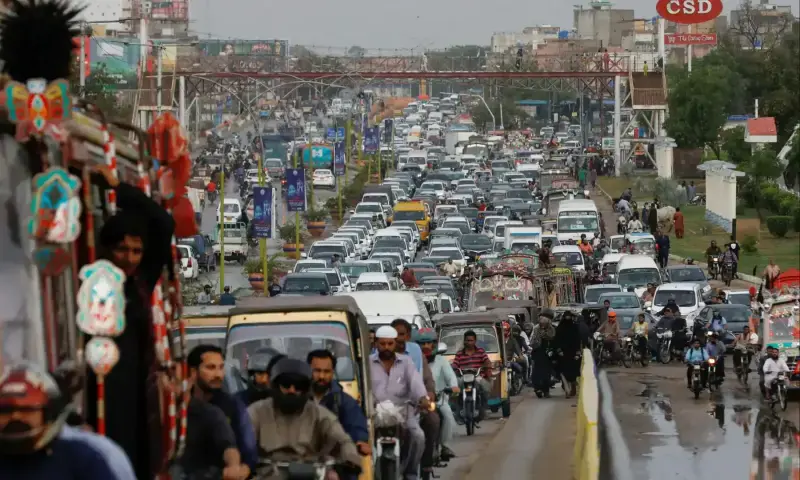
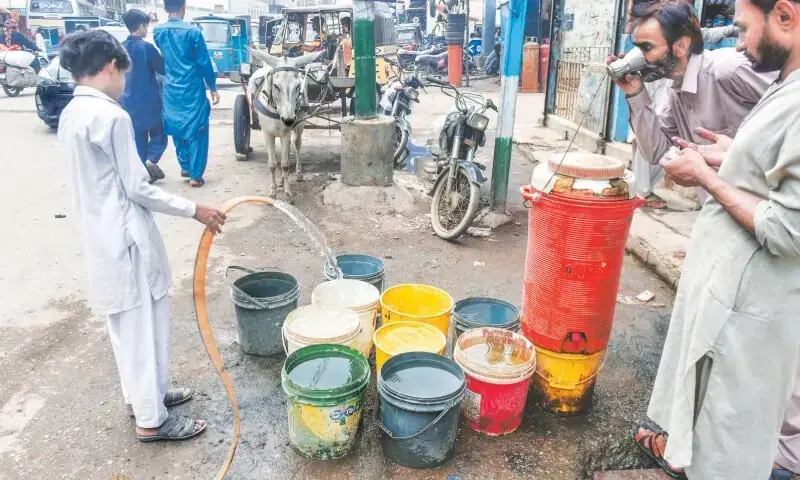
Pakistan's water crisis manifests differently across the country but touches every region. Karachi, the country's largest city with over 20 million residents, faces the most visible and urgent manifestation of the crisis. In May 2026, a power breakdown at the Dhabeji Pumping Station caused three main water supply lines to burst, creating a shortfall of 250 million gallons per day — roughly 40 percent of the city's daily supply. The city's total daily supply of 650 million gallons falls woefully short of the over 1,200 million gallons demanded by its residents, leaving entire neighborhoods in Korangi, Malir, Saddar, and Clifton without piped water for weeks.
The situation in Karachi is symptomatic of a national problem. Pakistan's water storage capacity is estimated at only 90 days, far below the international standard of 1,000 days. The country relies heavily on the Indus River system, which is fed by glacial melt from the Himalayas and Karakoram ranges. As glaciers retreat due to climate change, the long-term reliability of this water source is increasingly uncertain. The 2022 floods, which submerged one-third of the country, demonstrated the devastating consequences of extreme weather events linked to climate change. Since then, the pattern has been one of extremes — either too much water or too little.
Agriculture — The Biggest Consumer and the Biggest Problem
Agriculture accounts for over 90 percent of Pakistan's freshwater consumption, yet productivity per cubic meter of water is among the lowest in the world. Outdated flood irrigation methods waste enormous quantities of water, while poorly maintained canal systems leak up to 40 percent of the water they carry. The result is that Pakistan's agricultural sector uses far more water than necessary to produce its crops, creating a cycle of scarcity that constrains other sectors of the economy.
The inefficiency of agricultural water use has cascading effects across the country. As water tables drop due to excessive groundwater extraction, farmers are forced to dig deeper wells, increasing their costs and reducing their profitability. The cost of pumping groundwater has risen dramatically in recent years, squeezing small farmers who already operate on thin margins. In many areas, groundwater is now contaminated with naturally occurring arsenic, affecting the health of millions who depend on it for drinking.
Clean Drinking Water — A Public Health Emergency
Nearly 80 percent of Pakistan's population lacks access to safe drinking water, according to recent reports. This is not merely an inconvenience but a public health emergency. Waterborne diseases, including diarrhea, typhoid, and hepatitis, are among the leading causes of mortality among children under five in Pakistan. The economic cost of poor water quality is also significant, with billions of rupees spent annually on healthcare costs and lost productivity due to water-related illness.
In urban areas, the water supplied through municipal systems is often contaminated due to aging pipelines, illegal connections, and inadequate treatment. The gap between supply and demand has spawned a lucrative private water market, with tanker mafia operations charging residents exorbitant prices for water of dubious quality. In Karachi, residents report paying up to Rs6,000 per tanker during peak shortage periods — a sum that is prohibitive for low-income families.
The Indus Water Treaty and Regional Dimensions
Pakistan's water crisis has significant regional dimensions, most notably the Indus Water Treaty with India. The treaty, brokered by the World Bank in 1960, governs the sharing of the Indus River system and its tributaries between the two countries. While the treaty has survived multiple wars and periods of tension, the challenges facing it are growing. India's construction of dams on western rivers, combined with climate change affecting water flows, has created new uncertainties about the long-term viability of the water-sharing arrangement.
Pakistan has raised concerns at international forums about what it describes as India's violation of the treaty's provisions, arguing that upstream construction projects affect downstream flows. The treaty includes a dispute resolution mechanism, but the process is slow and politically fraught. Climate change adds another layer of complexity, as the timing and volume of water flows become increasingly unpredictable, making it harder to allocate resources based on historical patterns.
Government Response and Solutions
The government has acknowledged the severity of the crisis and announced a multi-dimensional national strategy to address it. Planning Minister Ahsan Iqbal unveiled the plan in April 2026, outlining five key pillars: increasing water storage capacity through new dams and reservoir management; improving water-use efficiency in agriculture through modern irrigation techniques and wastewater recycling; building national consensus on water conservation; strengthening regulatory oversight of groundwater extraction; and investing in wastewater treatment and reuse.
The strategy represents a recognition that the water crisis is not simply about scarcity but about mismanagement. Outdated water measurement systems, limited inter-provincial data sharing, and a lack of enforcement of water regulations have all contributed to the current situation. The government has committed to modernizing the country's water infrastructure, but the scale of investment required is enormous, and questions remain about the capacity to implement such ambitious reforms.
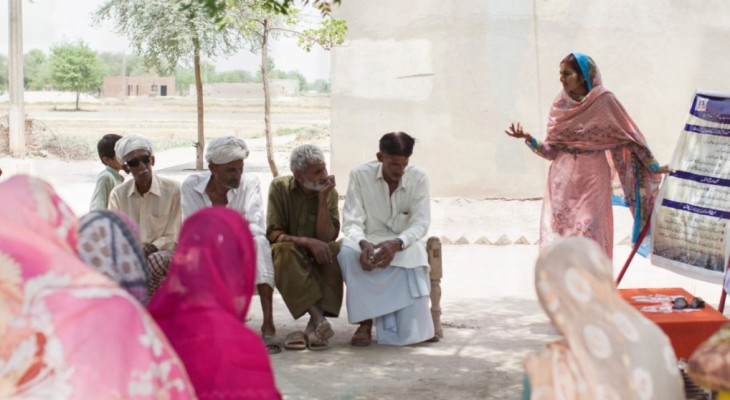
Civil society organizations and international development partners have also been active in addressing the water crisis. Programs focused on rainwater harvesting, water conservation in agriculture, and community-based water management have shown promising results in pilot projects across the country. Non-governmental organizations have also played a role in raising public awareness about water conservation, though changing deeply ingrained habits remains a challenge.
Conclusion
Pakistan's water crisis is one of the most pressing challenges facing the nation, with implications for every aspect of life — from food security and public health to economic development and regional stability. The declining per capita water availability, inefficient agricultural practices, inadequate infrastructure, and governance failures have combined to create a crisis that demands urgent and sustained action. The path forward requires not only investment in infrastructure and technology but a fundamental shift in how water is valued, managed, and used across the country. The choices made in the coming years will determine whether Pakistan can secure its water future or face an increasingly parched and precarious existence.