
Severe Heatwave Alert Across Pakistan — Temperatures to Hit 50°C, Government Issues Emergency Protocols
Pakistan is in the grips of a severe heatwave, with temperatures expected to soar as high as 49 to 50 degrees Celsius across multiple regions from May 7 to May 11, 2026. The Pakistan Meteorological Department (PMD) has issued urgent warnings, while the National Disaster Management Authority (NDMA) and provincial authorities have activated emergency protocols to protect citizens from the extreme weather conditions.
Weather Alert
Unprecedented Temperatures Across the Country The heatwave is affecting virtually every corner of Pakistan, with the most extreme conditions expected in Sindh, Balochistan, southern Punjab, and the plain areas of Khyber Pakhtunkhwa. In Sindh, the Provincial Disaster Management Authority has warned that temperatures could reach 47 to 49 degrees Celsius in districts including Dadu, Shaheed Benazirnagar, Ghotki, Khairpur, Naushahro Feroze, Jacobabad, Larkana, and Sukkur.
- Jacobabad, frequently cited by climate researchers as one of the hottest cities on Earth, is expected to see particularly extreme conditions.
- Balochistan is bracing for similarly intense heat, with Sibi, Turbat, and Panjgur forecast to experience daytime temperatures ranging from 46 to 50 degrees Celsius.
- The combination of extreme heat and aridity in these regions poses severe risks to human health and agriculture.
- In Khyber Pakhtunkhwa, the PDMA has issued a heatwave alert for plain areas including Dera Ismail Khan, Tank, Bannu, Karak, and Lakki Marwat, where temperatures may reach up to 47 degrees Celsius between May 8 and May 10.
- Cities like Peshawar, Mardan, Swabi, and Nowshera are expected to see temperatures between 39 and 43 degrees Celsius.
- Southern Punjab — including Multan, Dera Ghazi Khan, and surrounding areas — can expect temperatures between 43 and 47 degrees Celsius.
- Even the usually milder upper and central Punjab regions, including Islamabad, Rawalpindi, Lahore, and Sialkot, are forecast to reach 39 to 43 degrees Celsius.
- Karachi, while comparatively moderate at 35 to 38 degrees Celsius, recorded its hottest day of the year earlier this week, with temperatures climbing above 44 degrees Celsius.
- Government Responds with Comprehensive Action Plan The NDMA has wasted no time in rolling out a comprehensive nationwide response to the heatwave.
- Under the directives, all relevant stakeholders — including provincial and local administrations, health departments, rescue agencies, the armed forces, and federal ministries — have been put on high alert.
- Key measures announced by the NDMA include: Hospitals on high alert: All medical facilities have been directed to remain fully prepared for heat-related emergencies, with additional staff and resources deployed where needed.
Current Conditions
Under the directives, all relevant stakeholders — including provincial and local administrations, health departments, rescue agencies, the armed forces, and federal ministries — have been put on high alert. Key measures announced by the NDMA include: Hospitals on high alert: All medical facilities have been directed to remain fully prepared for heat-related emergencies, with additional staff and resources deployed where needed.
Affected Regions
Heatstroke treatment centers: Provincial and district authorities have been directed to establish heatstroke centers, cooling points, and mobile cooling stations at high-traffic areas, equipped with cooling equipment, drinking water, and trained medical personnel. School safety measures: Education authorities have been told to change school timings or order temporary closures where necessary to protect children from heat exposure during peak hours.
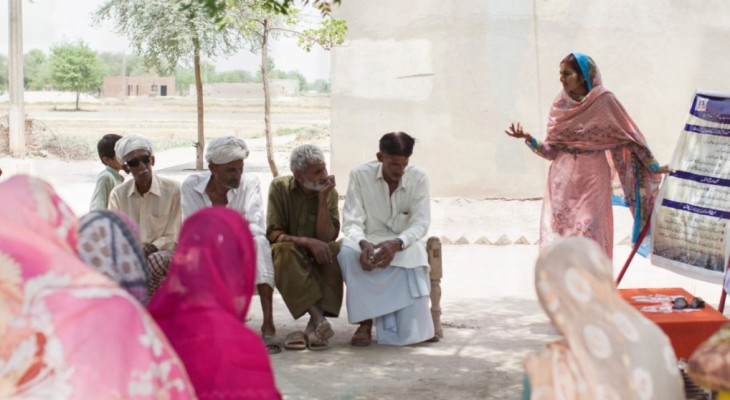
- Public awareness campaigns: The PDMA and local administrations are running extensive awareness campaigns to inform citizens about heatwave risks and precautionary measures, particularly targeting vulnerable populations including senior citizens, children, and individuals with underlying health conditions.
- Emergency supplies: Authorities have been directed to maintain stocks of emergency items including first aid kits, oral rehydration salts, electrolyte drinks, cooling aids, and water dispensers at key locations.
- Farmer advisories: Agriculture departments are advising farmers on careful crop water management and safeguarding livestock during the extreme heat conditions.
- Fire prevention: Emergency services, forest departments, and local administrations have been told to stay vigilant against the possibility of forest and urban fires.
- Control rooms: Control rooms have been established for information-sharing and coordination during the heatwave season.
- Khyber Pakhtunkhwa Leads the Way The Khyber Pakhtunkhwa PDMA has been particularly proactive, directing all deputy commissioners to take immediate precautionary measures.
- The department has instructed district administrations to activate heatstroke centers and ensure that cooling points and mobile cooling units are operational across the province.
- "It is requested to kindly take all precautionary measures to avoid any loss of life, damage to crops, and livestock," the PDMA stated in its directive.
- The authority has also emphasized the importance of educating the public about the signs of heat-related illnesses and the steps that should be taken to address them.
- A shallow westerly wave is expected to affect most parts of the province on the evening of May 10 and persist in upper parts until May 13, which could bring some relief from the prevailing hot conditions.
- Until then, residents are urged to remain extremely cautious.
Regional Breakdown
A shallow westerly wave is expected to affect most parts of the province on the evening of May 10 and persist in upper parts until May 13, which could bring some relief from the prevailing hot conditions. Until then, residents are urged to remain extremely cautious.
Safety Measures
Sindh Under Extreme Heat Warning The Sindh PDMA has been especially active in its response, issuing a detailed advisory covering all districts likely to be affected by the heatwave. The authority has advised the general public, particularly children, women, and senior citizens, to take precautionary measures.
- Residents have been urged to avoid direct sunlight during daytime hours and remain hydrated at all times.
- Sindh's Provincial Disaster Management Authority has activated its emergency response mechanism, with all district administrations directed to ensure that necessary arrangements are in place.
- This includes the establishment of cooling centers at public places, deployment of water tankers in urban areas, and round-the-clock availability of medical staff at district hospitals.
- Farmers in Sindh have been specifically advised to manage wheat harvesting activities carefully and protect livestock from extreme heat.
- The agricultural sector, which is already facing challenges from water scarcity and climate-related disruptions, is particularly vulnerable to the ongoing heatwave.
- The meteorological department has confirmed that temperatures in several parts of Sindh are already running 4 to 6 degrees Celsius above normal seasonal averages.
- This deviation from normal patterns is a clear indicator that the current heatwave is not a routine seasonal occurrence but an extreme weather event driven by larger climatic shifts.
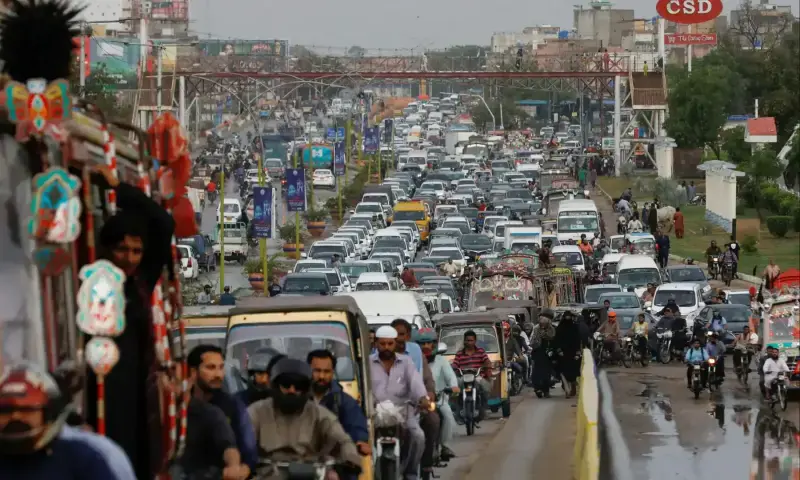
- Karachi, Pakistan's largest city and economic hub, is experiencing relatively moderate conditions compared to the rest of Sindh, with temperatures expected to range between 35 and 38 degrees Celsius.
- However, the city recently recorded its hottest day of the year, with temperatures climbing above 44 degrees Celsius, raising concerns about what the summer months may bring.
- Global Context: Climate Change Amplifies the Heat The current heatwave is part of a broader pattern of increasingly extreme weather events driven by climate change.
- Cities like Jacobabad in upper Sindh are frequently cited by climate researchers as among the places most vulnerable to global warming, because the combination of extreme heat and humidity can push conditions close to the limits of human survivability.
Precautionary Guidelines
Global Context: Climate Change Amplifies the Heat The current heatwave is part of a broader pattern of increasingly extreme weather events driven by climate change. Cities like Jacobabad in upper Sindh are frequently cited by climate researchers as among the places most vulnerable to global warming, because the combination of extreme heat and humidity can push conditions close to the limits of human survivability.
Government Response
Meteorological experts note that temperatures in several parts of Sindh are already running 4 to 6 degrees Celsius above normal seasonal averages, indicating that the current heatwave is not just a routine summer spell but part of a concerning trend. The NDMA has warned that above-normal temperatures are expected to persist through May and June, meaning that the current heatwave may be just the first of several extreme weather events this summer.
- How to Stay Safe Authorities have issued clear guidance for the public during the heatwave: Avoid unnecessary outdoor activities, especially during peak daytime hours (11 AM to 4 PM) Increase water intake to stay hydrated, even if you don't feel thirsty Wear light-colored, loose-fitting clothing and use sun protection Take extra care of vulnerable family members — children, the elderly, and those with health conditions Never leave children or pets in parked vehicles Use cooling aids such as wet cloths, fans, and air conditioning where available Recognize the signs of heatstroke: high body temperature, confusion, rapid pulse, headache, nausea, and loss of consciousness If you experience heatstroke symptoms, move to a cool area, drink water, and seek immediate medical help Farmers should manage crop harvesting carefully and provide shade and water for livestock Relief on the Horizon While the heatwave is expected to peak between May 8 and May 10, there is relief in sight.
- A shallow westerly wave is expected to affect the upper parts of the country starting from the evening of May 10, bringing cooler temperatures and potentially some respite from the extreme heat.
- The system is likely to persist until May 13, gradually easing the intensity of the heatwave.
- In the lower parts of the country, temperatures are expected to moderate by May 12 to May 13, though conditions will remain warm.
- The PDMA and NDMA continue to monitor the situation closely and will issue updated advisories as conditions evolve.
- The government has assured citizens that all necessary resources have been mobilized to deal with the heatwave.
- Public spaces including mosques, markets, and community centers are being used as cooling shelters where people can escape the heat and access drinking water.
- Volunteer organizations and charitable groups have also stepped up, distributing water, ORS packets, and cooling aids in vulnerable communities.
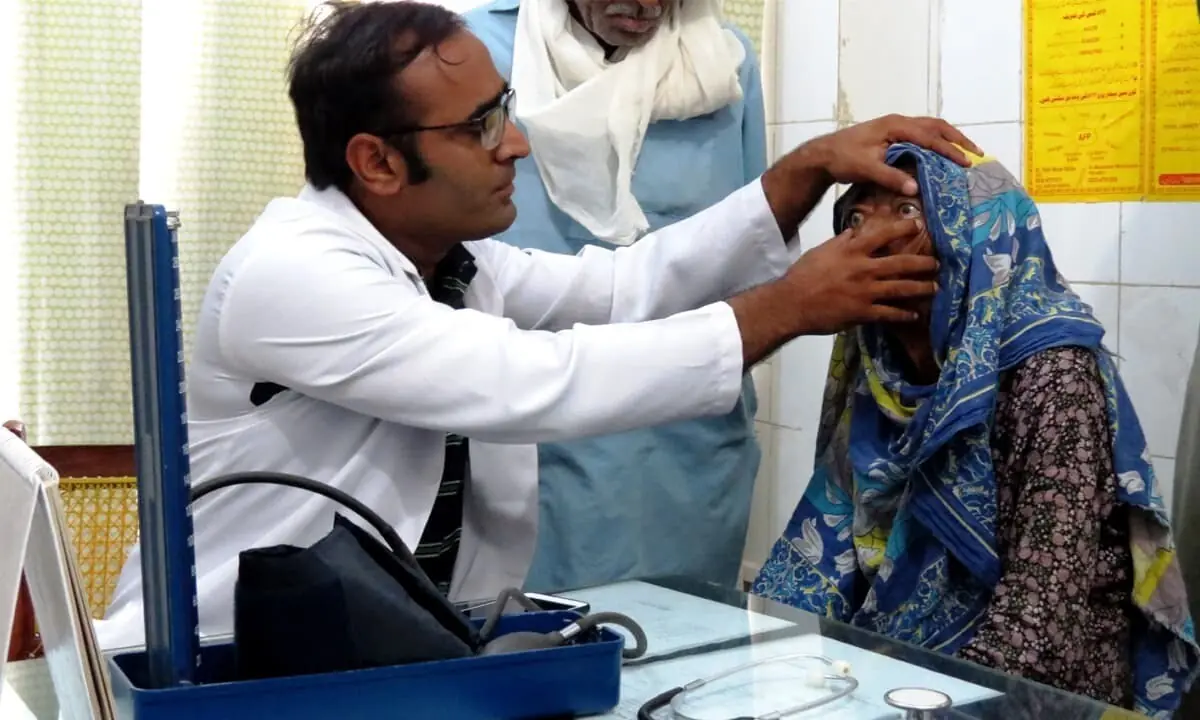
- Healthcare facilities across the country have reported an increase in patients presenting with heat-related symptoms, including dehydration, heat exhaustion, and in severe cases, heatstroke.
- Medical professionals are urging people not to ignore symptoms such as dizziness, headache, nausea, and excessive fatigue, which can quickly escalate into more serious conditions if left untreated.
- From the NDMA's nationwide emergency protocols to the provincial disaster management authorities' localized response plans, Pakistan is taking comprehensive action to protect its people from the extreme weather.
- As the mercury rises, the message from authorities is clear: stay informed, stay hydrated, and stay safe.
- Pakistan has faced heatwaves before, and with the right precautions and community support, we will get through this one too.
Official Action
As the mercury rises, the message from authorities is clear: stay informed, stay hydrated, and stay safe. Pakistan has faced heatwaves before, and with the right precautions and community support, we will get through this one too.