Discover Pakistan — From the Indus Valley Civilisation to the Peaks of the Karakoram
ISLAMABAD — Pakistan, a land of staggering contrasts and ancient civilisations, offers travelers an extraordinary journey through millennia of history, culture, and natural beauty. From the ruins of the Indus Valley to the peaks of the Karakoram, the country's tourism potential is immense — and in 2026, a growing number of global travelers are beginning to discover it.
The Indus Valley — Where Civilization Began
Pakistan is home to some of the world's oldest urban civilisations, with the Indus Valley Civilisation dating back over 5,000 years. Mohenjo-Daro, located in Sindh province, is the crown jewel of this ancient heritage. Designated a UNESCO World Heritage Site, the ruins reveal a remarkably advanced Bronze Age city with sophisticated urban planning, drainage systems, and public baths that rival anything built in the ancient world.
The Great Bath of Mohenjo-Daro, a 2,400-year-old brick-lined pool, remains one of archaeology's most evocative structures. Visitors can walk through the excavated streets and imagine life in a city that once housed 40,000 people, trading goods from Mesopotamia to the Arabian Sea. Ongoing conservation efforts, supported by international partners, aim to protect this fragile site from the effects of weather and rising groundwater.
Nearby, the古城 of Harappa offers complementary glimpses into Indus Valley life, with its distinctive grid-pattern streets and intricate seal carvings that still defy complete deciphering. Together, these sites represent a civilisation that rivals ancient Egypt and Mesopotamia in sophistication.
Buddhist Heritage in Gandhara
The Gandhara region, spanning present-day Khyber Pakhtunkhwa and parts of Punjab, was a crossroads of Buddhist art and culture for over a millennium. The ancient city of Taxila, another UNESCO World Heritage Site, was a major center of learning that attracted scholars from across Asia, including China, in the first millennium AD.
Takht-i-Bahi, a magnificent Buddhist monastery complex perched on a hilltop near Mardan, is one of the best-preserved Buddhist sites in Pakistan. Its meditation cells, stupas, and assembly halls date back to the 1st century BC and offer a profound sense of the contemplative traditions that once flourished here. The nearby museum houses exquisite Gandhara sculptures that blend Greek and Buddhist artistic traditions — a testament to the region's position on the Silk Road.
In Swat Valley, often called the Switzerland of the East, numerous Buddhist stupas and monasteries dot the landscape. The Butkara Stupa, with its distinctive umbrella-like structure, is one of the most important Buddhist monuments in South Asia.
The Northern Areas — Mountains, Valleys, and Hospitality
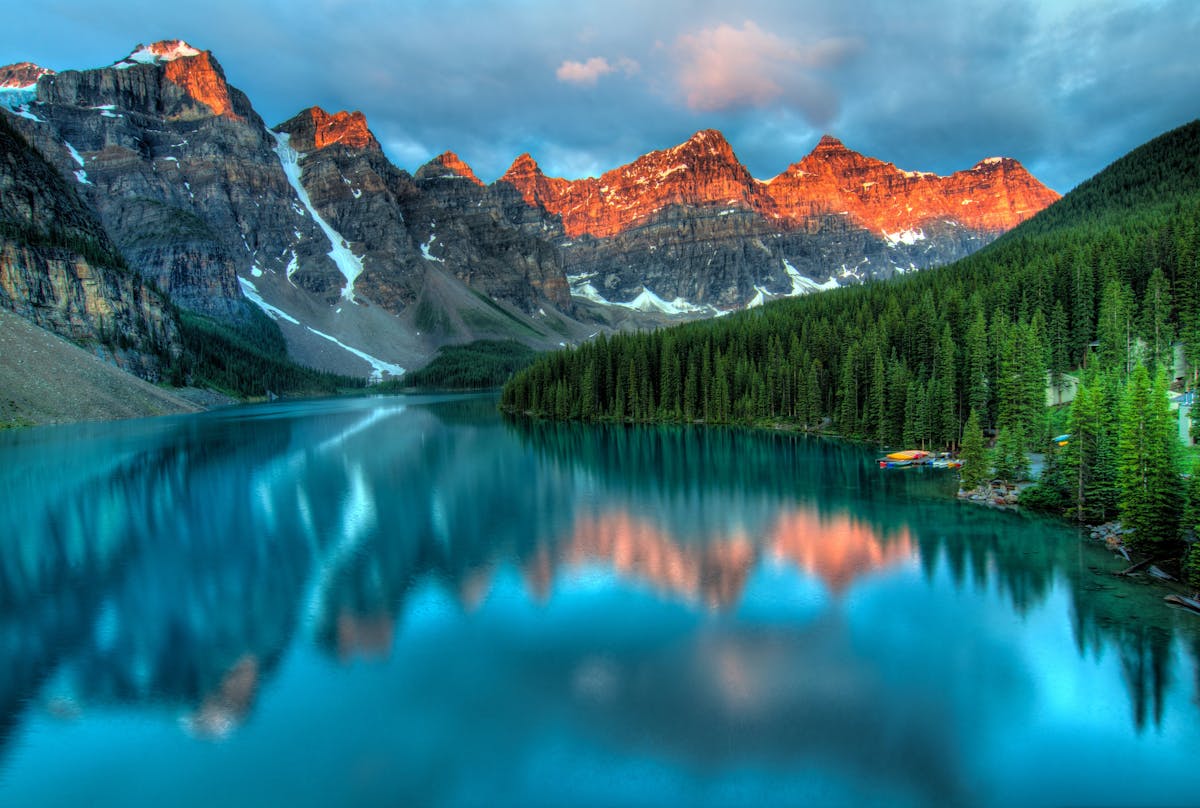
Pakistan's northern areas are among the most spectacular mountain landscapes on earth. The Karakoram Highway, one of the highest paved roads in the world, winds through the Karakoram mountain range, offering views of K2, the world's second-highest peak, and dozens of other 7,000-meter and 8,000-meter giants.
Hunza Valley, with its dramatic setting and legendary hospitality, has become a bucket-list destination for international travelers. The valley's apricot orchards, ancient forts such as Baltit and Altit, and the spectacular view of Rakaposhi mountain create an unforgettable experience. The local Burusho culture, with its unique language and traditions, adds a distinctive dimension to any visit.
Skardu, in the Gilgit-Baltistan region, is the gateway to the central Karakoram and the starting point for treks to K2 base camp and the Deosai Plains, one of the highest plateaus in the world. Shangrila Resort, with its heart-shaped lake, and the serene Satpara Lake offer peaceful retreats amid some of the world's most dramatic scenery.
The Fairy Meadows, accessible by a challenging jeep track and then a hike through pine forests, offers one of the most iconic views in Pakistan — the towering Nanga Parbat, the ninth-highest mountain in the world, rising nearly 7,000 meters above the meadow.
Spiritual and Cultural Tourism
Pakistan's cultural diversity is reflected in its rich tapestry of Sufi traditions, festivals, and cuisine. The annual Urs of Lal Shahbaz Qalandar in Sehwan Sharif attracts hundreds of thousands of devotees who come to honor the 13th-century Sufi saint, dancing to the hypnotic rhythms of dhamal. The shrine of Data Ganj Bakhsh in Lahore, one of South Asia's oldest Sufi centers, draws pilgrims from across the region.
Multan, the City of Saints, is renowned for its blue pottery, intricate tile work, and the shrines of numerous Sufi saints. The city's bazaars offer a sensory overload of colors, aromas, and sounds, with traditional crafts including camel-skin lamps, embroidery, and handwoven textiles.
Lahore, the cultural heart of Pakistan, offers visitors the magnificent Lahore Fort and Shalimar Gardens — both UNESCO World Heritage Sites — along with the vibrant Walled City, the Food Street in Gawalmandi, and the stunning Badshahi Mosque. The city's legendary hospitality and love of food make it a destination that travelers rarely forget.
Adventure and Eco-Tourism Potential
Pakistan's diverse geography offers immense potential for adventure tourism. Beyond mountaineering and trekking, the country offers world-class white-water rafting on the Indus and Kunhar rivers, paragliding in the valleys of Kaghan and Naran, and some of the best off-road motorcycle and jeep trails in the world. The coastal areas of Balochistan, including the pristine beaches of Kund Malir and Gwadar, remain largely undiscovered by international tourism.
Eco-tourism is gaining momentum, with community-based tourism initiatives in the northern areas providing sustainable livelihoods while preserving natural and cultural heritage. The government has introduced visa reforms to attract international tourists, including visa-on-arrival for visitors from over 50 countries and the introduction of an electronic visa system.
Conclusion
Pakistan's tourism potential is extraordinary, encompassing ancient civilisations, Buddhist heritage, some of the world's most spectacular mountain scenery, rich Sufi traditions, and vibrant urban culture. While challenges including infrastructure gaps and security perceptions remain, the country is making genuine progress in developing its tourism sector. For the intrepid traveler willing to venture beyond the beaten path, Pakistan offers an experience that is increasingly rare in the modern world — the feeling of genuine discovery, warm hospitality, and landscapes that take the breath away. As more travelers discover this remarkable country, Pakistan's tourism sector is poised for a transformation that could benefit communities across the nation.