Pakistan and the Middle East — From Energy Deals to Defense Alliances and Gulf Diplomacy
ISLAMABAD — Pakistan and Saudi Arabia have deepened their relationship into a comprehensive strategic partnership spanning defence, energy, trade, and regional diplomacy, marking a significant evolution beyond traditional religious and economic ties. In September 2025, the two nations signed a Strategic Mutual Defence Agreement (SMDA), pledging to treat aggression against either side as an attack on both.
The defence pact was followed by an Economic Cooperation Framework in October 2025, prioritising energy, industry, mining, IT, tourism, agriculture, and food security. Saudi Arabia has also extended financial support, including an additional $3 billion in deposits and a $5 billion facility for three years.
Energy Cooperation
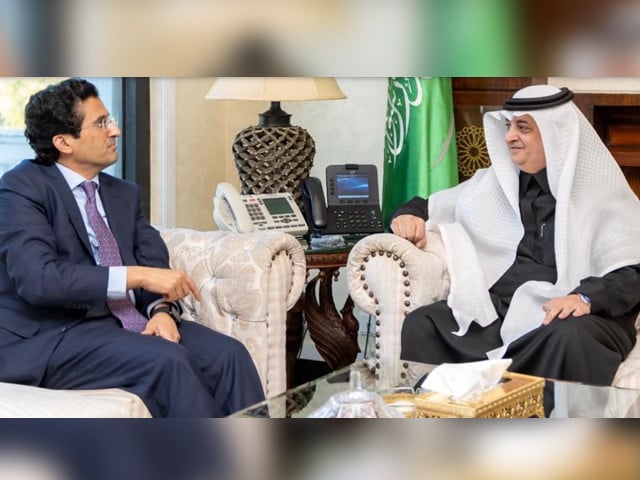
In May 2026, Petroleum Minister Ali Pervaiz Malik met Saudi Ambassador Nawaf bin Said Al-Malki, who reaffirmed the kingdom's commitment to Pakistan's energy security. Technical-level consultations are progressing on long-term refinery upgradation projects, including potential collaboration with Aramco. Discussions about an electricity interconnection project between the two countries are also underway.
Trade and Investment
- Memoranda of Understanding — 34 MoUs worth approximately $2.8 billion signed across multiple sectors in 2024
- Economic Corridor — Pakistan-Saudi Economic Corridor being explored to integrate Saudi capital with Chinese infrastructure under CPEC
- Digital Trade — Both governments expected to explore mechanisms for digital trade facilitation and faster settlement systems
Diplomatic Role
Pakistan's diplomatic role in the Gulf has grown significantly. Prime Minister Shehbaz Sharif undertook visits to Saudi Arabia, Qatar, and Turkey in April 2026, pushing for US-Iran peace talks. Saudi Arabia publicly backed Pakistan's mediation efforts and urged restraint over US-Iran tensions. Pakistani businesses view the potential US-Iran détente as an opportunity to unlock new trade corridors.
Regional Implications
Pakistan's increasing role as a strategic conduit between China and Saudi Arabia carries potential diplomatic risks with the United States, as Washington and Riyadh navigate a complicated bilateral relationship. Nevertheless, the partnership continues to evolve beyond traditional patronage into a multi-dimensional strategic alliance based on shared economic and security interests.