US and Iran No Closer to Ending War as Gulf Clashes Flare — Trump Threatens 'Project Freedom Plus'
WASHINGTON — The US and Iran appeared no closer on Saturday to finding an end to the US-Israeli imposed war after the two sides traded fire in the Gulf amid a tenuous ceasefire, while a US intelligence analysis concluded Tehran could withstand a naval blockade for months raising questions about Washington's leverage in ongoing negotiations.
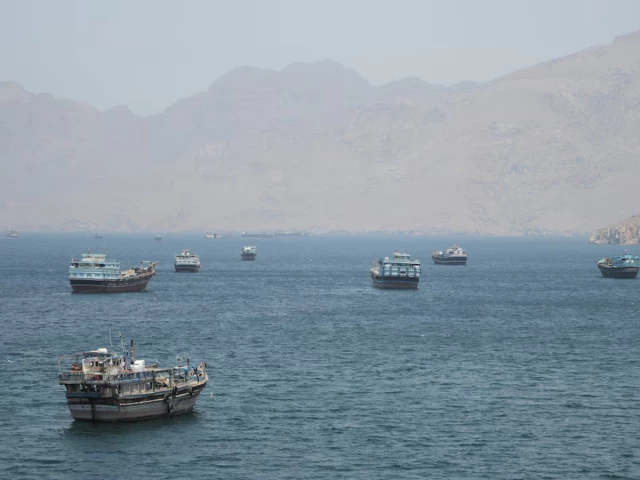
Recent days have seen the biggest flare-ups in fighting in and around the Strait of Hormuz since a ceasefire began a month ago. The United Arab Emirates came under renewed attack this week, a claim that Iran has denied responsibility for. Washington has been awaiting Tehran's response to a US proposal that would formally end the war before talks on more contentious issues, including Iran's nuclear program.
Trump Threatens 'Project Freedom Plus'
US President Donald Trump warned that Washington may escalate its military posture in the Strait of Hormuz if a deal with Iran is not finalised, threatening to revive and expand the paused "Project Freedom" operation. Speaking to reporters at the White House, Trump said the US may go a different route if a deal is not reached.
- Escalation Warning: Trump warned of expanding military operations if no deal is signed
- Pakistan's Role: Pakistan, mediating talks, asked the US not to resume military operations
- Expanded Operation: Trump hinted at "Project Freedom Plus" with additional measures
CIA Assessment: Iran Can Withstand Blockade
A CIA assessment indicated that Iran would not suffer severe economic pressure from a US blockade of Iranian ports for about another four months, according to a US official familiar with the matter. This suggests that US leverage over Tehran remains limited as the two sides seek to end the conflict.
- Blockade Timeline: Iran can withstand blockade for approximately four more months
- Economic Impact: Despite blockade, Iran's economy not yet collapsing
- Intelligence Dispute: Senior intelligence officials called the claims "false" saying the blockade is inflicting real damage
Renewed Gulf Clashes
The biggest flare-ups in fighting since the ceasefire began have been reported in and around the Strait of Hormuz. The UAE came under renewed missile attack this week, while Iran denied any responsibility. The near-total internet blackout imposed by Iranian authorities has entered its 11th week, with internet monitoring group NetBlocks reporting severe disruption to daily life for ordinary Iranians.
- Strait of Hormuz: Renewed clashes threaten global oil shipments
- UAE Attacks: Reported Iranian missile strikes denied by Tehran
- Internet Blackout: 11-week near-total internet shutdown disrupting jobs and businesses
Diplomatic Efforts
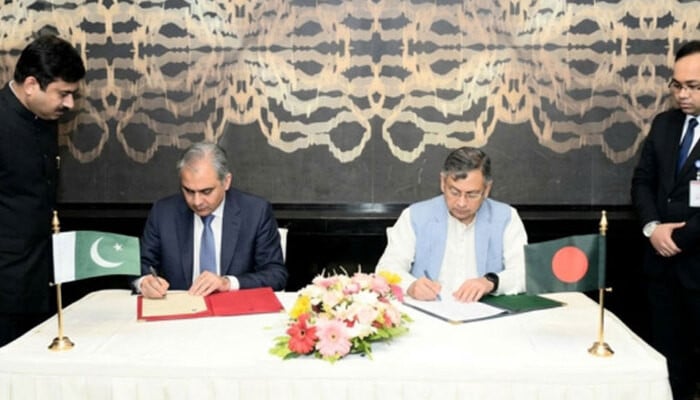
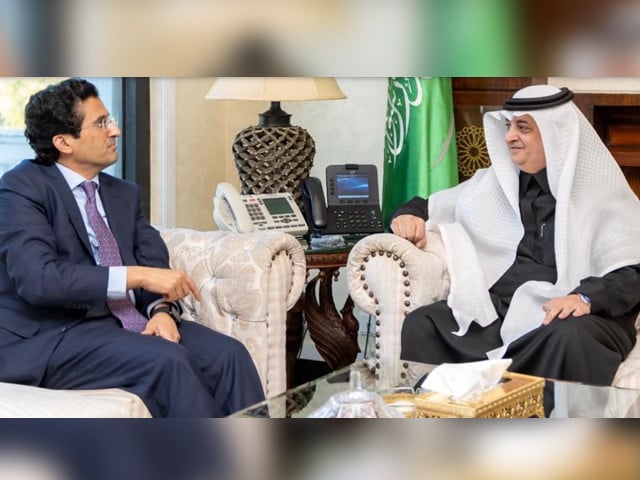
Pakistan continues to mediate between Washington and Tehran. Secretary of State Marco Rubio said the US was expecting a response from Iran, while Tehran's foreign ministry spokesperson said the government was still weighing its response. The ceasefire, brokered by Pakistan in April, has held but remains fragile with both sides accusing each other of violations.
Conclusion
The ongoing conflict between the US and Iran continues to shape the geopolitical landscape of the Middle East, with Pakistan playing a crucial mediating role. The situation remains fluid as both sides weigh their next moves amid escalating rhetoric and renewed military clashes in the strategic Gulf region.