US Military Reports Iranian Cruise Missiles Fired Near American Ships in Gulf
Serious Incident Reported in Gulf Waters
A senior US military official has said that Iranian forces targeted American commercial and military ships with cruise missiles and drones in the Gulf region. The incident reportedly happened near the Strait of Hormuz, which is one of the most sensitive and important sea routes in the world. This area is always under watch because a large amount of global oil trade passes through it every single day, and even a small disturbance here can affect many countries at once.
The official explained that multiple missiles were detected moving toward the direction of US-linked ships, while drones were also seen flying in the same area. It created panic among nearby vessels, and some ships reportedly changed their routes at the last moment to avoid any possible danger. Crew members on different ships were said to be on high alert, and communication traffic increased quickly between vessels and control centers.
At one point, the situation became very confusing as different reports started coming in from different sources. Some said the missiles were aimed directly, while others suggested they were fired as a warning. Because of this confusion, it took time before a clearer picture started to form.
No Direct Hit but Situation Remains Dangerous
According to the US military, none of the missiles directly hit any American ship. Officials said that defensive systems were active and the situation was handled without any loss. However, they also admitted that the risk was very real and could have caused serious damage if things went slightly different. One officer said it was a "very close situation" which could have escalated into a larger conflict if timing or direction had changed.
There are also reports that some missiles may have fallen into the sea after losing their direction, but this has not been fully confirmed yet. The US Navy has not released full technical details, which is normal in such situations, but sources say interception systems were ready throughout the incident. Some defence experts believe electronic systems may have also played a role in preventing impact, but again this is not officially confirmed.
Even without direct damage, the seriousness of the situation is being discussed widely. Military analysts are saying that such incidents increase pressure and make future encounters more risky. It also shows how fast things can move from calm to dangerous in just minutes.
Iran Describes It as a Warning Move
Iranian officials have given a different version of the incident. According to their statements, the missiles and drones were not meant to destroy ships but to send a strong warning. Iran said that foreign ships were moving too close to sensitive areas and ignoring repeated warnings issued earlier through communication channels.
They also said that any kind of military presence near their waters is taken very seriously. One Iranian statement mentioned that their forces are fully prepared and will respond strongly if their security is challenged. Officials also hinted that this was part of a wider defensive strategy, not an attack.
However, international observers say that even warning actions like this can be dangerous because they can be misunderstood. In tense environments, a warning can quickly be seen as an attack, and that misunderstanding can lead to serious consequences.
Shipping Routes Face Uncertainty
The Strait of Hormuz is extremely important for global trade, especially for oil and gas shipments. After this incident, many shipping companies became worried about the safety of their vessels. Some reports suggest that ships have slowed down their movement, while others are waiting for clearer updates before entering the area.
Several shipping operators have started reviewing their routes, and some may temporarily avoid the area if tensions continue. This could cause delays in delivery times and may increase transport costs. When routes change, fuel costs and insurance costs also go up, which affects the overall system.
Insurance companies are also watching closely. In such risky situations, insurance premiums usually rise, making it more expensive for ships to travel through these waters. This is already starting to happen, according to early market signals.
International Attention Increasing
The incident has caught attention from many countries around the world. Several governments are monitoring the situation carefully because any conflict in the Gulf can quickly spread and affect many regions. Countries that depend on oil imports are especially concerned, as supply issues can directly impact their economies.
Diplomatic channels are expected to become active in the coming days as countries try to reduce tension. While no major public meetings have been announced yet, experts believe that private discussions are already taking place between key nations.
International organizations may also step in if the situation does not calm down. In the past, similar tensions have required mediation efforts to prevent escalation.
Military Presence Still Active
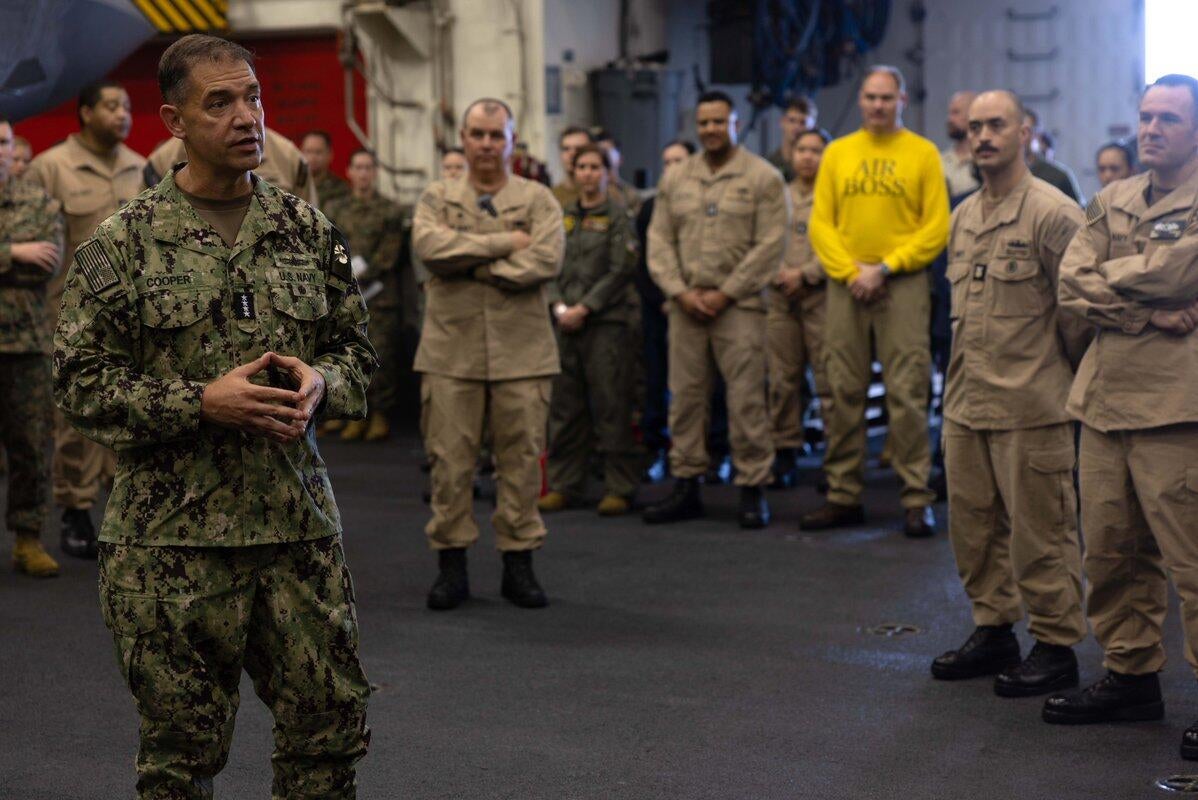
The US Navy continues to operate in the region and has not changed its main positions. Officials said their mission is to ensure safe passage for commercial ships and maintain stability in international waters. At the same time, Iran has also increased monitoring and patrol activity in its nearby areas, which shows both sides are fully alert.
This means both sides are present in close distance, which increases the risk of misunderstandings. Even a small mistake or wrong signal could lead to a bigger problem. Experts say communication between forces becomes very important in such situations.
Some defence analysts are also saying that this situation could continue for some time, as neither side is likely to reduce presence immediately. This keeps the region in a sensitive state.
Economic and Market Impact Growing
Beyond military concerns, the economic impact of this incident is already being felt. Oil prices have started to rise due to fear of supply disruption. Markets react quickly to such risks, even if no direct damage has occurred.
If the situation continues, it could affect fuel prices in many countries. This can lead to higher transport costs and increase prices of everyday goods. For developing countries, this kind of situation can create additional pressure.
Experts say that the longer the tension continues, the bigger the impact will be. Right now, markets are reacting to fear, but if actual supply is affected, the situation could become more serious.
What Happens Next
At the moment, the situation is still developing and not fully clear. There are different claims from both sides, and no independent confirmation of all details is available yet. However, one thing is certain that tension in the Gulf region has increased again and the risk level is higher than before.
People working in shipping, trade, and security are all watching closely. Governments are also reviewing their positions and preparing for different outcomes. If calm returns quickly, things may go back to normal, but if similar incidents continue, it could lead to serious consequences.
For now, the world is waiting to see what the next move will be. The coming days are very important, and any new development can change the situation quickly. It is a tense moment, and everyone is watching carefully.
Final Thoughts
The current situation in the Gulf shows how quickly things can become tense and uncertain. Even though no direct damage has been reported, the use of missiles and drones has increased fear and raised serious concerns around the world. It also shows that small actions in sensitive areas like the Strait of Hormuz can have global impact.
For now, both sides are standing firm, and there is no clear sign of immediate calm. However, many experts believe that diplomatic efforts will be very important in the coming days to avoid further escalation. If the situation is handled carefully, tensions may reduce, but if similar incidents continue, the risk of a bigger conflict will remain.
At this moment, the world is watching closely. Markets, governments, and security agencies are all on alert, waiting for the next move. The hope is that stability returns soon, but the situation still feels uncertain and a bit fragile.